


08. Brain, Nervous System and Mood Conditions Protocol


This protocol addresses the following brain, nervous system and mood related conditions:
- Brain Fog
- POTS/Dysautonomia
- Post-concussion syndrome
- Cranial nerve inflammation
- Multiple Sclerosis
- Memory and thinking challenges
- Depression
- Anxiety
- Mood disturbances
- Increased sensitivities (chemicals, light, sound, etc)
- Sleep disturbances
- Any other condition involving your brain and/or nervous system
What all of these conditions have in common is a toxic and sluggish liver overburdened with toxins, pathogens, fat and/or excess hormones such as adrenaline.
Your liver is your primary detoxification organ working around the clock to protect you from the endless onslaught of harmful substances we consume and are exposed to on a daily basis. It does this primarily by disarming and neutralizing them as they enter your body but after repetitive exposure and weakening it has to resort to sequestering toxins and pathogens off within it to protect your brain, heart and other body parts. Thus, there are sections of your liver that are storing harmful substances, viruses and bacteria (taking up valuable liver real estate which should really be for glucose, glycogen and nutrient storage) while patiently waiting for the right conditions to be able to safely release them out of your body (for many this doesn't happen). This is the intention behind properly structured cleanses such as the 3-6-9 liver cleanses where they create just the right conditions for your liver to be able to let go of deeply held toxins within it.
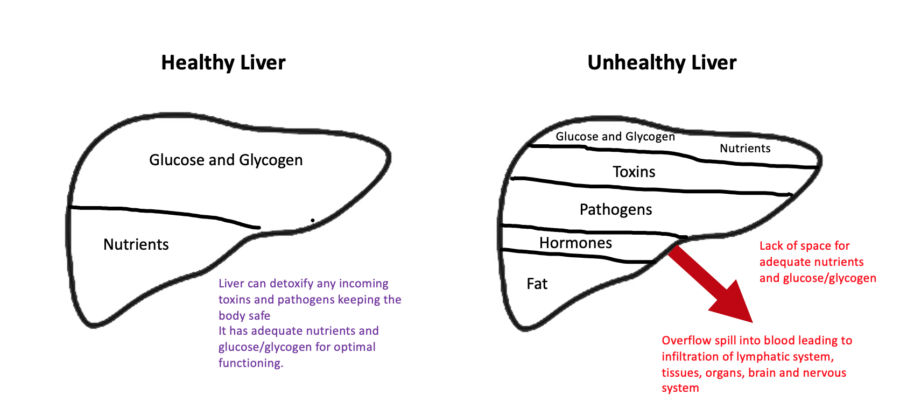
When your liver is at capacity, the stage is set for spillage of these toxic and pathogenic contents into other areas of your body such as:
- Your secondary filtration system, your lymphatic system, which then becomes thick and stagnant
- Other organs and systems (thyroid, reproductive system, digestive system, urinary system, spleen, etc.)
- Your brain and nervous system
A sluggish liver means your digestion is going to be compromised. You will have difficulty producing appropriate hydrochloric acid and bile to digest your food. This means that fats and proteins end up becoming rancid and putrefied rotting away in your intestines producing toxic ammonia which can easily travel throughout your body impairing other tissues and organs such as your brain and nervous system creating neurological symptoms.
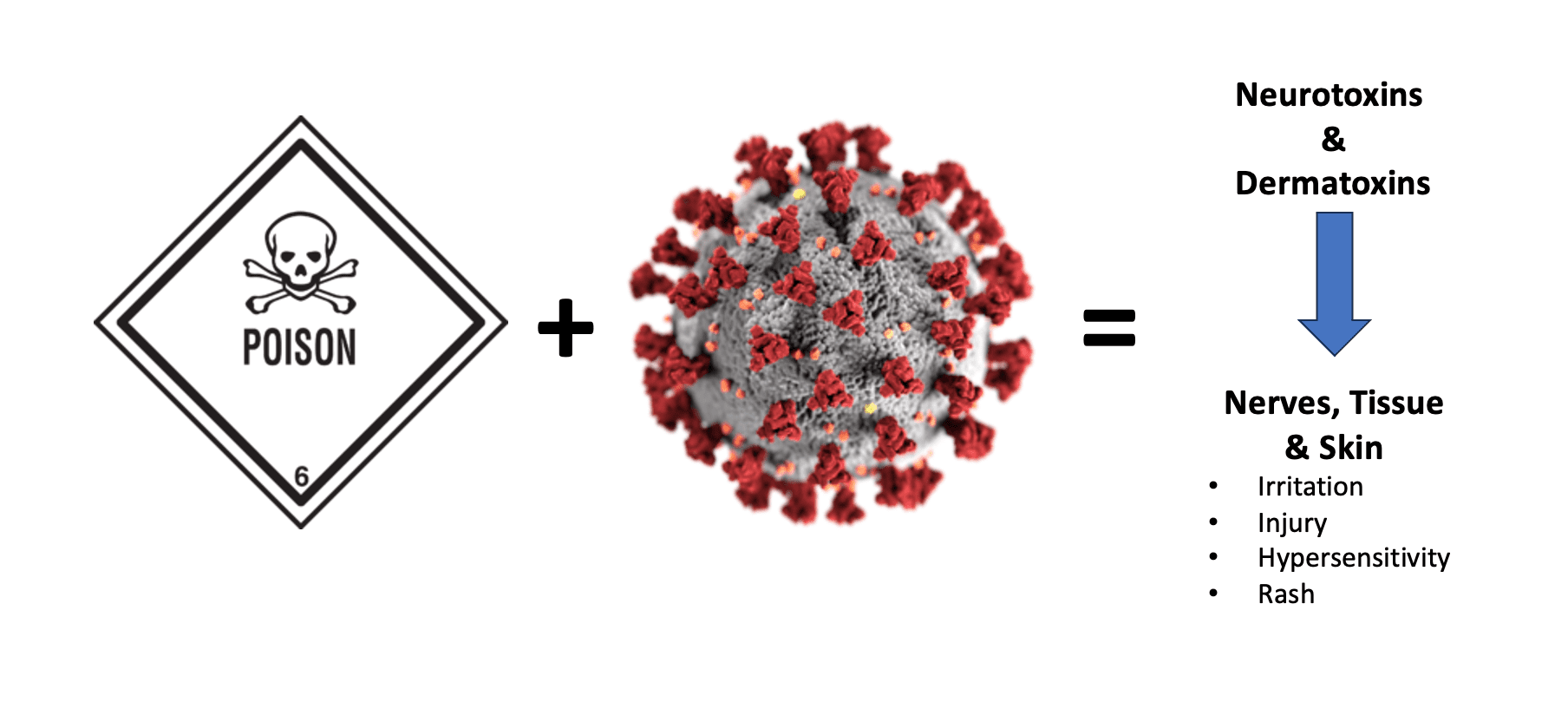
It is important to understand that pathogens have an affinity for toxins and actually consume them. While this may sound helpful in that they are cleaning up garbage for you, it's actually more detrimental to your body because when viruses eat toxins they produce waste products that turn into neurotoxins and dermatoxins irritating your nerves and skin. Neurotoxins can get up into your brain wreaking havoc on your neurons causing all sorts of brain related problems including brain fog and even anxiety and depression.
Toxins (including heavy metals, DDT and MSG) and viruses can impair your brain's ability to produce appropriate amounts of neurotransmitters which can negatively impact your memory, thinking, mood, movement and so much more depending on which types and the location. These substances can also negatively interfere with the electrical circuitry of your brain where pathways may become blunted or overheated further disrupting brain function.
What is particularly problematic is when you have a combination of both toxins and pathogens (which we all do to varying degrees) and their associated neurotoxins that are impeding your neurological well-being. Furthermore, certain toxins, such as heavy metals like mercury and aluminum, are rough on neurological tissues, especially if they oxidize creating more toxic run-off and debris. What will determine your particular pattern of symptoms are which type of toxins and pathogens you have, the amount of them and where they are located in your body.
In today's modern living, we are over-saturating our bodies with the stress hormone adrenaline, produced from your adrenal glands located on top of your kidneys. There are many different blends of adrenaline which are needed for every day activity. However, what is problematic is when we are routinely releasing adrenaline that should only be reserved for truly dangerous situations such as if you are being chased by a predator. Typical adrenaline triggers are caffeine, excessive fat in your diet, not regulating your blood sugar appropriately such as going to long between meals and whatever is creating stress in your life.
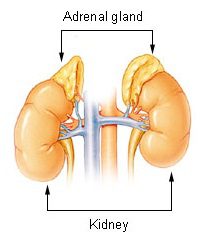
It's your liver's responsibility to process any extra adrenaline and safely excrete it. Otherwise, it is very abrasive to your nervous system. However, when there is a constant onslaught of it coupled with an overburdened liver, the adrenaline becomes stored in your liver and may even leak out irritating your tissues and organs depending on your liver's holding capacity. Furthermore, if your adrenal glands are constantly being stimulated to produce adrenaline they can fatigue and have a reduced ability to produce appropriate amounts for daily functions. This can lead to what we refer to adrenal fatigue.
Unless your liver is properly detoxified, the root of any neurological issues will never be fully addressed. In order to appropriately clean up your liver, the right kind of nutritional integration is paramount. This means lowering fat intake, regulating adrenaline production, avoiding foods that propagate pathogens and eating healing foods and liquids that provide amply glucose, electrolytes, hydration and nutrients to truly support your liver and nervous system.
When your liver is sluggish and stagnant from many toxins, pathogens, a high fat diet and adrenaline it can become enlarged creating increased pressure directed upwards into your diaphragm muscle and downwards into your intestines. This right upper quadrant compression can potentially contribute to your body twisting into an asymmetrical posture which has ramifications on your postural system alignment and balance. This physically locks up your body and doesn't allow for free 3-dimensional movement and breathing thus further contributing to liver and lymphatic stagnation and lack of motility.
When your nervous system becomes a target of toxins and pathogens it negatively impacts your sense of who you are, your relationship to others and the world around you. This sensory and proprioceptive disturbance triggers an alarm in your body, activating your autonomic nervous system where you become locked into a state of fight or flight. Thus, not only do you need to detoxify your body of the invaders attacking and poisoning it but you also need to regain your sense of self.

If you prefer to perform the components of this protocol at your own discretion and/or use your testing technique to determine which parts are priority for you, here is the full Master Guide item list that comprises this protocol:

Support the Master Guide
If this Master Guide has supported you, please consider making a donation to help keep this free resource available.