
The way we breathe, move and hold ourselves is inseparable from how we feel and relate. Beneath our postural habits and emotional rhythms lies a dynamic conversation between the body and the nervous system. Two approaches—the Polyvagal Theory developed by Dr. Stephen Porges and the Postural Restoration Institute (PRI) framework—both explore how this dialogue shapes human balance and wellbeing.
A Bridge Between Structure and State
The Postural Restoration Institute examines the inherent asymmetry of the human body and what happens when these patterns become overly pronounced, reducing the body’s ability to move freely and rhythmically in three dimensions. These predictable patterns of tension can affect breathing, vision and alignment from the feet all the way to the head. By restoring reciprocal and alternating movement capability, PRI seeks to rebalance the nervous system and reduce dominance of “fight or flight” responses.
Polyvagal Theory offers a complementary lens to understand this process. It explains how our autonomic nervous system continually evaluates safety and threat through a process called neuroception. This internal surveillance shapes our state of being—whether we feel calm and connected, mobilized for action or shut down in overwhelm.
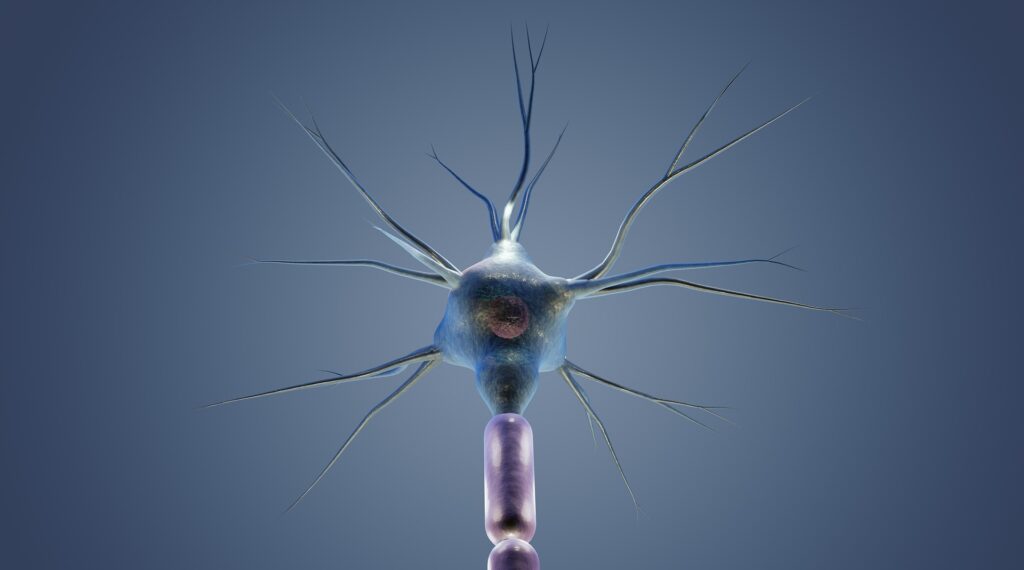
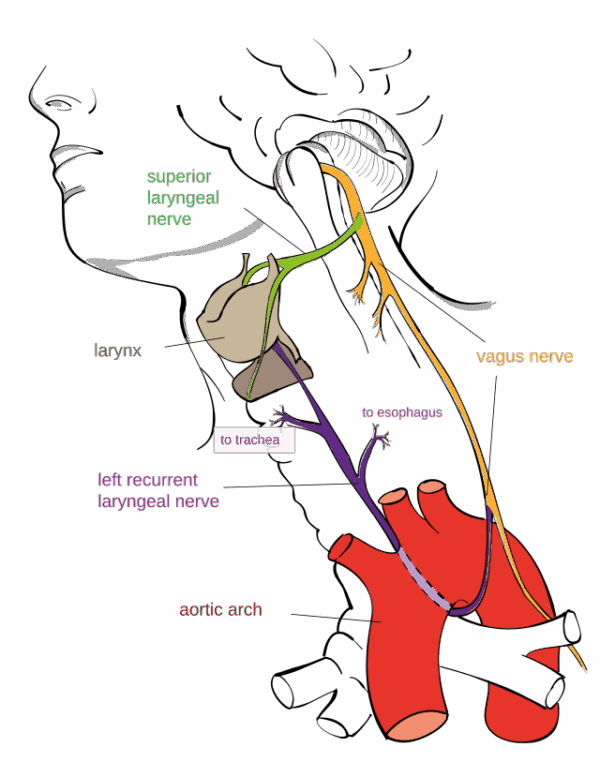
At the center of this process is the vagus nerve, the main pathway of the parasympathetic system. When the vagus is well engaged, the body can rest, digest and restore. When it’s underactive, the sympathetic system takes over, often showing up as tension, shallow breathing and rigid posture. In states of extreme distress, the body may instead shut down—also a reaction governed by the vagus nerve.
The Vagus Nerve: From Protection to Connection
Polyvagal Theory describes three main layers of autonomic function. The most primitive branch—the dorsal vagal—responds to extreme threat by shifting the body into a protective, energy-conserving state. The sympathetic system mobilizes us for defense. The most evolved branch—the ventral vagal complex—supports calm engagement and social connection, where we ideally operate unless a genuine threat requires shifting to another branch.
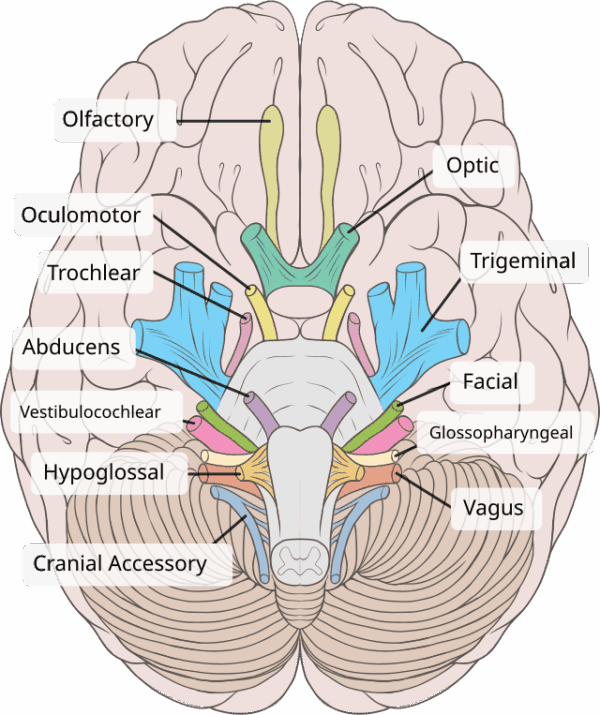
This ventral branch connects to the cranial nerves that coordinate the face, jaw, voice and breath. When we feel safe, these nerves allow us to express, communicate and attune to others. When we don’t, the dorsal vagal or sympathetic systems heighten activity and the body braces for protection.
Through this lens, posture and expression reflect the nervous system’s story. They reveal not just how we move but how we perceive safety in our world.
Where Movement Meets Regulation
PRI-based movement practices focus on restoring balanced breathing and coordinated movement between the two halves of the body. When certain muscles stay overactive while others remain underused, the body becomes locked into neuromuscular patterns of tension that cross multiple body segments. These patterns mirror sympathetic or dorsal vagal dominance—an internal sense of readiness or shutdown rather than rest.
By guiding the body into alternating movement and diaphragmatic breathing, PRI informed practices can help reengage the vagus nerve. When cranial and postural systems integrate—through the coordinated movement of the eyes, jaw, tongue and diaphragm—the nervous system begins to reorganize toward safety. This is where structure meets neural regulation where posture and breathing become a portal for healing.
Modern Patterns of Disconnection
Today’s lifestyles often weaken this connection. Less natural movement, more time indoors and a diet far removed from our evolutionary design all contribute to reduced ventral vagal tone. The vagus nerve also links directly to the gut, creating a two-way dialogue between digestive health and emotional regulation.
Emerging research suggests that our microbiome influences how we respond to stress, while chronic tension and poor breathing can, in turn, affect gut function. See this related article for a deeper look at how chronic inflammation, pain and postural tension interconnect. This interplay highlights the importance of whole-body integration. Restoring rhythmic breathing, three dimensional movement and sensory awareness doesn’t just improve posture—it supports emotional and physiological resilience.

Integration and Embodiment
Both Polyvagal Theory and the PRI approach remind us that regulation begins in the body. Our posture, breath and movement patterns are living expressions of how safe we feel in the world. By restoring balance through intentional movement and breath, we cultivate not only better alignment but a more stable internal state.
As vagal tone improves, the body regains its ability to shift fluidly between rest and action. Muscles soften, breathing deepens and our sense of grounded presence returns. Balance, in this sense, is both postural and physiological—a harmony within the body that reconnects the self to safety.
Tips for Postural and Nervous System Regulation
Integrating these small practices into your day can help restore rhythmic balance between your posture, breath and the nervous system—anchoring safety within your body.
1. Breathe with full exhalation.
Gently exhale all the air from your lungs until you feel your abdominals engage. Pause for about three seconds before your next breath in. Repeat for five slow, mindful cycles to calm your system and support diaphragm alignment.
2. Add vibration to your breath.
As you exhale, try humming or toning. This vibration stimulates the vagus nerve and deepens relaxation.
3. Ground through your left stance.
When standing allow a little more weight through your left foot to promote postural balance and nervous system regulation.
Porges, S. W. (2011). The polyvagal theory: Neurophysiological foundations of emotions, attachment, communication, and self-regulation. New York, NY: W. W. Norton & Company.
This content is being provided for informational purposes only and is not a substitute for medical advice.
Please consult your medical doctor or professional if you have medical concerns.
©️ 2022 Resonate Health. This video may not be duplicated, copied or shared unless authorized.