


We all experience bodily aches and pains at some point in our lives. For acute injuries such as a sprained ankle or broken bone, the reason behind the pain is quite clear. However, for more chronic cases that have been lingering for a while where there isn't always a particularly obvious cause it can be quite confusing. We might assume we are in pain because we sit for too long at the computer, have poor posture and/or “carry our stress” in certain parts of our body like our neck and shoulders. In cases of chronic pain, inflammation and postural tension, what's the root issue?
Chronic pain, inflammation and postural tension
What is really causing it and how can we best address it?
The human body is asymmetrical in nature. This is due to the uneven internal organ arrangement, bigger respiratory diaphragm on the right vs left and differences in brain hemispheric function. As a result, we tend to orient our bodies to the right side in space (even left-handers do this!). In order to keep ourselves facing forward as best we can, a twist occurs through our body. Imagine wringing a bath towel and that’s generally how our bodies are wound up.

Therefore, some amount of asymmetry is expected in our postural system. In essence, we all have some degree of scoliosis in our spines. However, in situations where your body is experiencing increased stress (of any kind such as physical, emotional or mental), it will respond by twisting up even more. It does this because it feels more safe and secure this way. It’s a protective response that is driven by signals from your nervous system to your muscular system.
When your body is in such a position, the alignment at the joints and balance of tension between opposing muscles (agonists and antagonists) becomes what we may refer to as “locked up.” This means you lose your ability to move freely in 3 planes of movement (forward/backward, side to side and rotation). This results in increased impingement and compression in some regions and increased tensile strain in others which can irritate your tissues such as muscle, tendon, ligament, joints, fascia and even nerves. This explains how a postural system that is not in optimal alignment and neuromuscular balance can result in biomechanically generated tissue pain due to the abnormal forces placed upon it.
The approach of the Postural Restoration Institute specifically addresses these inherent patterns of asymmetry in the human body with the intention to create a more neutral position of rest in which we can freely move in all directions with ease and comfort. This method respects the interconnected nature of your entire body from your head such as your vision and bite down to your feet.

When working with a postural system that is demonstrating significant torque and tension, we have to consider the underlying factors that are driving it. As previously stated, any type of stressor can result in your body tightening up. This includes psychological as well as physical sources. Many of us are aware that we tend to carry stress in certain areas of our bodies such as our head, neck/shoulders, jaw, stomach, chest, etc. which can be connected to persistent emotions such as anxiety, frustration, sadness, anger, etc. These emotional patterns are also often related to conscious or unconscious perseverating self-limiting thoughts, perceptions and beliefs about ourselves and the world around us. For some of us, it is imperative to address these emotional and mental patterns in order to relax our physical bodies.
Examples of physical stressors causing increased postural tension include repetitive strain injuries (e.g. overusing a mouse or keyboard), prolonged sitting in poor postures and traumas such as injuries, accidents, surgeries, etc. This is usually what we tend to associate the cause of our pain and tension to stem from.

However, what is often unacknowledged as a significant chronic physical stressor to our bodies and thus driving patterns of pain, inflammation and postural tension are physiological stressors to the cells and tissues of our postural system which include:
- The nervous system: autonomic, peripheral and central nervous systems including nerves, ganglia, glial cells, white matter, gray matter, myelin, etc
- The muscular system: muscle, connective tissue such as tendon, fascia, ligament, bursa and joint capsule
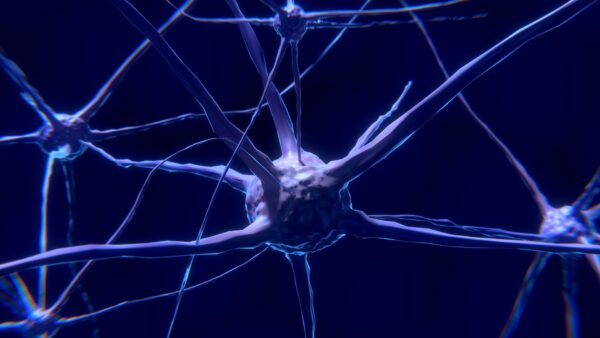
Dr. Robert K. Naviaux, MD PhD is a prominent researcher on “The Cell Danger Response.” His work has shown that any type of persistent trauma can trigger a universal cellular response to threat, stress or injury. At the cellular level, the is characterized by a hardening of the cell membrane, release of ATP into the extracellular space reducing the cell’s potential for energy production, activation of innate immunity and changes in the gut microbiome. In an ideal scenario, this response to trauma is short lived and should fully resolve with complete healing. However, in situations where the healing cycle gets disrupted, this cellular pattern persists leading to symptoms such as fatigue, fragmented sleep, pain and increased light, sound and tactile hypersensitivity further characterized by reduced socialization. [2], Learn more about trauma and chronic cellular responses. [3]
The Cell Danger Response is consistent with the Polyvagal theory [4] where either actual or perceived threat results in reduced vagal tone and similar physiological and social consequences. Basically, when you chronically do not perceive you are safe, your mood, sleep, immune system, autonomic nervous system, energy, digestion, sensitivity to the world around you and pain experience all become dysregulated, making it difficult for you to function and engage in meaningful social interaction creating a perpetual vicious cycle.
Therefore, when addressing a system that is behaving as if it is under perceived threat, such as a tight and restricted postural system, we have to ask:
- Why is this system in an activated state of stress=cell danger response=postural tension pattern=chronic pain=inflammation?
- What threats are currently ongoing and which threats are perceived as still ongoing but are actually not?

Threats that have passed but still perceived as active:
With a history of trauma such as surgery, physical injury, abuse (physical or psychological), adverse childhood experiences and/or PTSD the actual threat has passed. However, in these cases, you may be dealing with a mind-body that believes danger is still present. Treatment involves getting these mind-body dimensions to realize they are safe (provided they genuinely are and not still in actual danger).
Active unknown threats
What about situations where a threat to your cells is actually still going on but you aren’t aware of it? In these cases, the presence of pathogens and/or toxic chemicals may be chronically stressing your cells and tissues. These cellular based traumas are being continuously experienced often without our conscious awareness.
Cells dealing with chronic pathogenic infections from viruses, bacteria, mold and/or exposure to toxins can facilitate an ongoing cell danger response which equates to an activated autonomic nervous system stress pattern with resulting postural and movement patterns of tension, restriction and pain.
Furthermore, the presence of these pathogens or toxins in your tissues can directly create inflammation and pain patterns.
Unless you have lived your life in a pristine unpolluted environment isolated from other humans, at various times in your existence you have been exposed to toxins and pathogens. With regards to pathogens, after a primary infection, some types commonly take up permanent residence in various cells and tissues in your body. The reality is that most of us are unknowingly harboring underlying toxins and pathogens.

There are many types of viruses which are constantly mutating and evolving. [5]
- The influenza (Orthomyxoviridae) family of viruses includes influenza A and B, which cause the flu, avian flu (“bird flu”) and swine flu (H1N1).
- Herpesviridae is a large family of viruses. They cause several types of illnesses, like oral and genital herpes, chickenpox, shingles, Epstein-Barr and cytomegalovirus (CMV) and tend to stay in your body after initial infection..
- Coronaviruses include subfamilies of viruses such as SARS-CoV-2, the virus that causes COVID-19. Most types of coronaviruses tend to cause the common cold.
- Human papillomaviruses (HPV) cause warts where some types of HPV can lead to cancers such as cervical cancer in women.
- Enteroviruses such as polio and hand, foot and mouth disease infect the intestinal tract.
- Flaviviruses are often spread by mosquitoes causing Zika, West Nile, dengue fever or yellow fever.
- Orthopoxviruses such as monkeypox and smallpox cause blistering rashes.
- Hepatitis viruses infect the liver and can be any type of virus with Hepatitis A, B and C being the most common and acknowledged.
- Retroviruses are RNA viruses that use special proteins to make DNA. The virus then inserts its DNA into yours. Your cells read the viral DNA as if it were its own instructions. HIV and human T-lymphotropic virus 1 (HTLV-1) are retroviruses.
- Oncoviruses: can cause cancer. Viruses that have been linked to specific cancers include HPV, Epstein-Barr, HIV, Hepatitis B and C, HTLV-1, Human herpesvirus 8 (HHV-8).
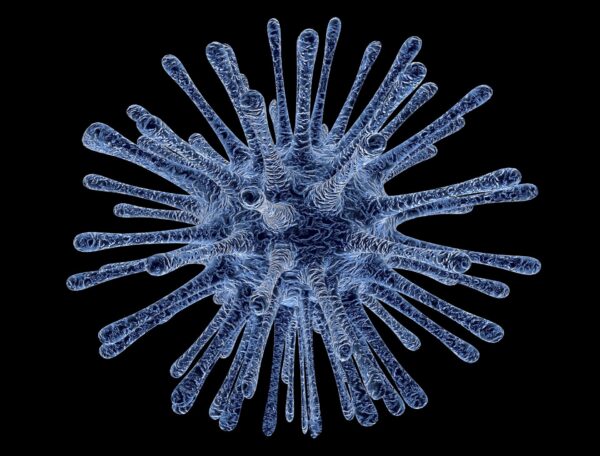
Regarding the herpes family of viruses, there are currently around 100 identified types with 8 recognized to most commonly infect humans.
These include: HSV-1, HSV-2, Varicella Zoster/Shingles, Cytomegalovirus, Epsein-Barr (mono) virus, HSV-6, HSV-7 and HSV-8.
- Herpes Simplex Virus (HSV-1 and HSV-2) primarily infect muco-epithelial cells and establish latency within the dorsal root ganglia of sensory neurons. They are transmitted by close contact with mucous membrane secretions.
- Varicella-Zoster Virus (VZV) primary infection causes chicken-pox and is associated with herpes zoster (shingles) after reactivation. Primary VZV is transmitted by respiratory droplets as it infects muco-epithelial cells of the upper airway before causing infection elsewhere in the body which is typically the sensory and autonomic ganglia with subsequent transport along the accompanying dermatome.
- Epstein-Barr Virus (EBV) is characterized by infection of and replication within nasopharynx epithelial and lymphoid tissues with latency within memory B cells. It is primarily transmitted by close contact with mucous membrane secretions, but can also be acquired through breast milk [6], blood transfusion and tissue transplantation. Over 90% of adults in industrialized countries are seropositive for EBV. Symptomatic primary EBV infection most commonly presents with infectious mononucleosis in adolescence.
- EBV is associated with cancers (lymphomas, nasopharynx, gastric, liver and breast [7]
- EBV is linked to autoimmune diseases such as multiple sclerosis where it is highly associated and even suggested as the leading cause. [8, 9, 10]
- EBV is correlated with Hashimoto’s thyroid disease. [12]
- EBV has been connected to lupus. [13]
- EBV has been identified in individuals with rheumatoid arthritis here and here. [11 14]
- However, it is now being suggested that the presence of the virus itself could be the direct driver of “autoimmune” symptoms. Within this new paradigm the immune system is directly going after cells containing EBV. This is opposed to the autoimmune hypothesis where your body is mistakingly attacking itself. [15] This is a profound paradigm shift and has been already advocated for by Anthony William in these Medical Medium references:
- HHV-6 has two distinct variants; HHV-6A and HHV-6B where HHV-6A is not clearly associated with disease. HHV-6B is extremely prevalent with almost all children testing positive by the age of three years. It is transmitted by close contact with oral secretions. HHV-6 establishes latency in monocytes, macrophages and within multiple cell types of the CNS.
- HHV-7 is structurally similar to HHV-6 and considered ubiquitous with most children testing positive by the age of five. HHV-7 is transmitted by close contact with oral secretions. Like HHV-6 it causes a nonspecific febrile illness or rash, though the latter less frequently. Primary infection has been associated with febrile seizures and encephalopathy.
- References
- P. N. Britton and C. A. Jones, “Central nervous system herpesvirus infections,” Paediatr. Child Health, vol. 28, no. 6, pp. 270–276, Jun. 2018, doi: 10.1016/j.paed.2018.04.003. [16]
- R. J. Whitley, “Herpesviruses,” in Medical Microbiology, 4th ed., S. Baron, Ed., Galveston (TX): University of Texas Medical Branch at Galveston, 1996. Accessed: Feb. 18, 2024. [Online]. Available: http://www.ncbi.nlm.nih.gov/books/NBK8157/[17]
Typical Herpes Locations of Habitat
With regards to chronic postural pain and tension, herpes viruses tend to be the most problematic due to the locations they tend to reside in our bodies. They are particularly neurotropic, living in the nervous system as well as connective tissues and the lymphatic system.
- Alpha herpes viruses (herpes simplex virus 1 and 2 and varicella-zoster/shingles virus) tend to reside in the sensory nerve ganglia
- Beta herpes viruses (cytomegalovirus) tend to live in secretory glands, cells of the reticuloendothelial system (network of phagocytic cells (monocytes and macrophages) living within connective tissues and organs. They are most prevalent in areas where clearance of toxins and pathogens is frequently required such as the spleen, liver, gut and kidneys.
- Gamma viruses (Epstein-barr, HHV-6, 7, 8) tend to reside in the lymphatic system, salivary glands and nervous system.
A key take-away is that many of us have been exposed to these viruses and they are living in a “dormant” state in our bodies. The CDC's data indicates over 90% of individuals have been infected with Epstein-barr. [18]
It is estimated that nearly 60% of the population has antibodies against HSV-1, with 20%–40% of those that are infected develop symptoms. [19]
Conventional thinking is that viruses are either in a completely latent state or active in primary infection or reactivation. However, there is research demonstrating that such “dormant” states are not exactly benign but characterized by increased immune activity and management. We may consider this as a spectrum where any type of stress will compromise the immune system increasing the degree of viral expression. For example, one study on the connection between toxins and pathogens demonstrated that farmers who experienced high pesticide exposures had a higher incidence of developing shingles. [20] Likewise, another study correlating toxin exposure and viral illness showed that living near a pesticides dump site (containing organochlorine pesticides, volatile organic compounds, and metals) is associated with immunosuppression as indicated by an increased prevalence of herpes zoster activation. [21]
There is accumulating evidence that suggests that HSV-1 infection of the brain, regardless of whether one is actively displaying symptoms, can lead to neuronal damage and thus neurodegenerative disorders.
Up to 65-75% of individuals seropositive for HSV-1 in the brain do not have obvious symptoms. However, the chronic presence of the virus in the brain alters normal neuronal cellular processes which over time can eventually develop into symptoms and clinical disease. “The fact that HSV-1 is not invisible to the immune system and that immune cells are commonly found adjacent to infected cells, suggests scenarios in which immune cells infiltrating the CNS may contribute to chronic inflammatory processes that can be detrimental to the function of the tissue.” [19]
This is more likely to happen with aging due to the increased time of living with the infections and general reduced immune strength that accompanies the aging process.
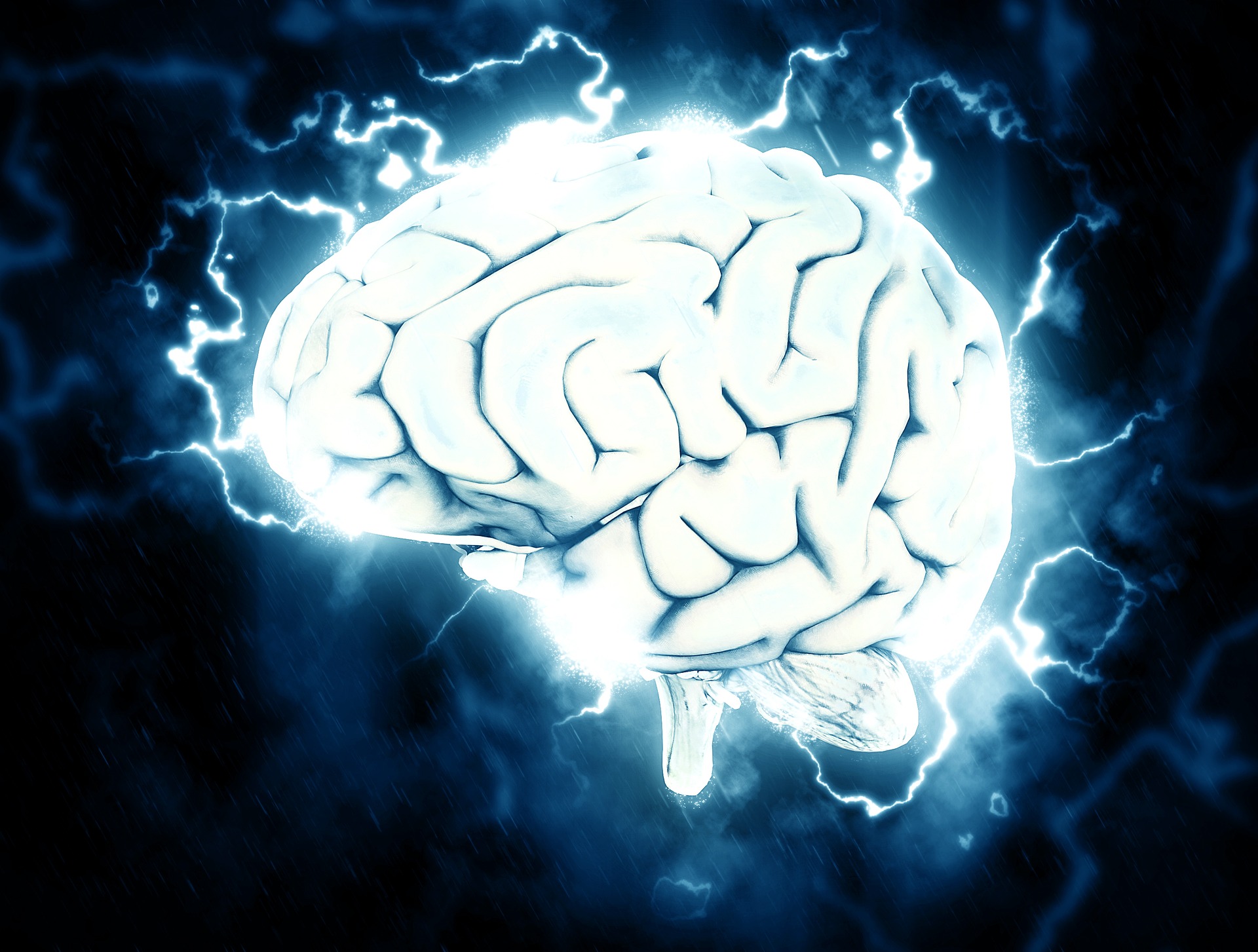
Therefore, infection with HSV-1 may promote, or contribute to neurodegenerative disorders in humans.
This idea is further reinforced by studies that suggest that other herpesviruses, such as the Epstein Barr virus (EBV) and human herpesvirus-6 (HHV-6), may be related to multiple sclerosis (MS) and Alzheimer’s disease (AD). [19]
In addition to HSV-1, Epstein-Barr is associated with meningitis, encephalitis, myelitis, radiculoneuropathy, and even autonomic neuropathy. [22] EBV can infect neurons directly or indirectly via infected B-lymphocytes, cross the blood brain barrier, induce neuroinflammation, demyelination and neurocognitive impairment. EBV can promote the proliferation, degeneration and necrosis of glial cells along with proliferative disorders of B- and T-lymphocytes contributing to the occurrence and development of nervous system diseases, such as Alzheimer’s disease, Parkinson’s disease, multiple sclerosis, acute cerebellar ataxia, meningitis, acute disseminated encephalomyelitis and brain tumors. [23]
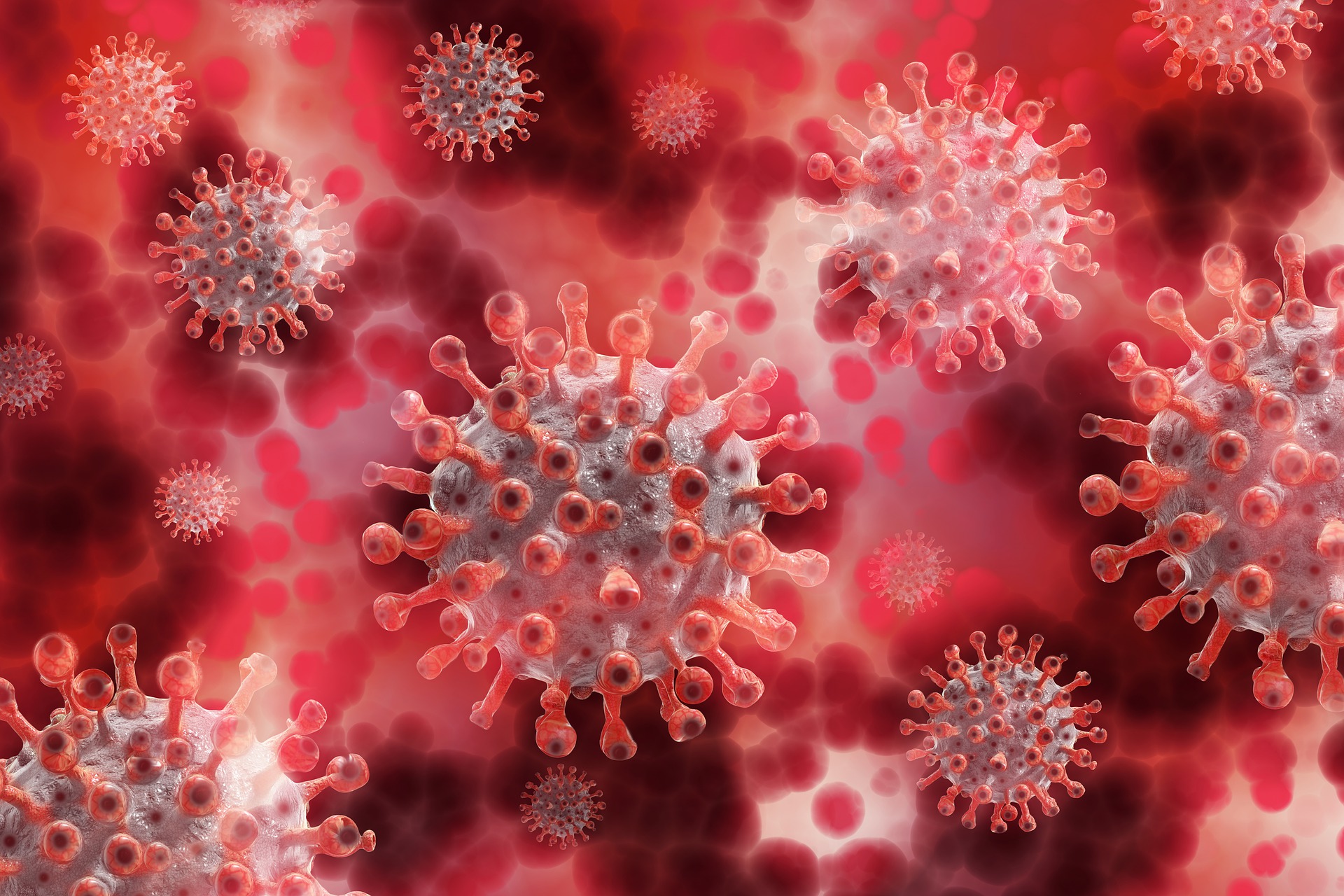
Such findings indicate that the life of a herpes virus is not simply a black and white active vs inactive existence but a gray one characterized by ongoing immune effort and resources to maintain as much of a latent state as possible. When additional stress is applied to the body, such as a new infection exposure, trauma, psychological distress, etc, the ability for an infected cell to maintain a purely dormant state becomes compromised and there will be increased viral expression. For many, this is unknowingly occurring and will be asymptomatic in nature. It may just be a matter of time before there is enough burden on the immune system with a final trigger resulting in symptom breakthrough. Examples could be a new acute infection, toxin exposure, accident, trauma, or hardship such as bereavement, divorce loss of job, etc.
Given that herpes viruses are neurotropic, such chronic immune physiological activity will therefore impact your neurosensory-motor complex and thus symptoms can be reflected within your postural system.
This means that persistent viral stress can be expressed through the neuromuscular system through postural patterns of increased tension, malalignment, inflammation and painful tissues.
Pain can be elicited from either the biomechanical strain induced from an activated tense neuromuscular system as well as from the inflamed tissues directly experiencing chronic infection.
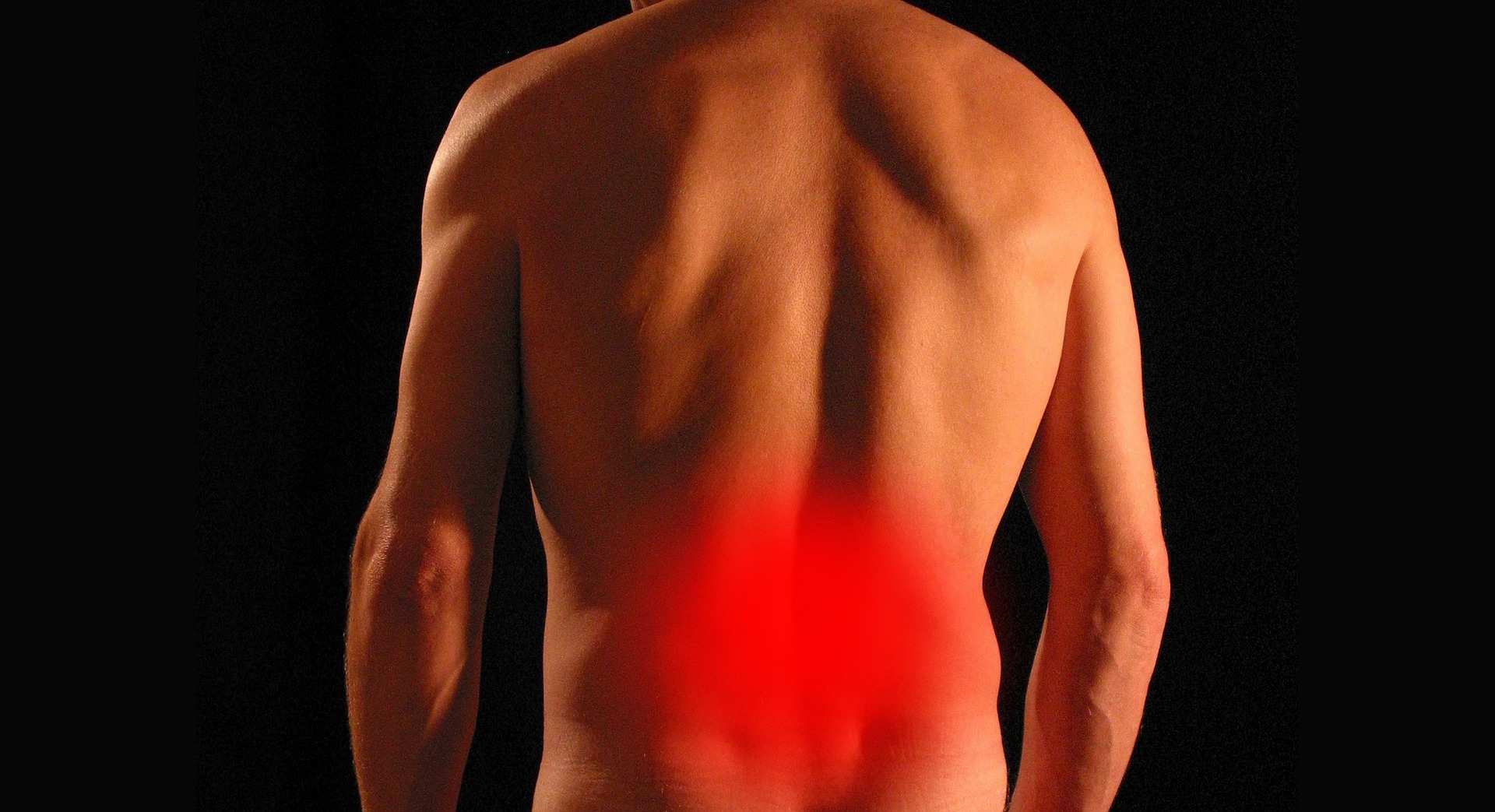
Besides viruses, what else could potentially activate a perpetual cell danger response?
In addition to viruses, chronic bacterial infections can affect the body and be responsible for activating a cell danger response. Streptococcus bacteria can inhabit the sinuses, throat, middle ear, lungs, gut, skin, tissue under the skin, heart valves, bloodstream, urinary tract and reproductive system. Bacteria typically associated with Lyme’s disease such as Babesia, Bartonella and Borrelia are also associated with chronic health issues.
Mold and its mycotoxins can wreak havoc on the body. What is interesting with mold issues is that usually within a household not all members react to it. This begs the question of why some do and others don’t? The answer is most likely related to the difference in immune system load between them. Someone who has a higher degree of immune system stress will have less tolerance and ability to clear mold than someone who’s immune system is not having to deal with additional chronic underlying pathogens and toxins.
Diagnosing Chronic Infections
Unfortunately, medicine is currently not able to easily diagnose chronic infections. Our current medical testing typically analyzes bodily fluids such as the blood, cerebrospinal fluid, mucous, urine and stool. We do not usually take direct nervous system, organ, lymph or connective tissue cultures where they are likely residing. Furthermore, if you have a state that is borderline active, it might not generate enough antigen or antibodies to merit a positive test.
Considering that viruses are constantly mutating and science is still in the process of discovering them, we must also consider that there are likely viral strains that exist which research has not yet empirically identified, activating a cell danger response where we are assuming that there is no actual threat and only perceived threat.

There is currently a scientific paradigm called “Pain Science” with the perspective that the nervous system can become overly sensitized to sensory-motor stimuli and thus experience heightened pain. Treatment involves retraining the nervous system to not interpret such triggers as threatening. What is concerning with this approach is that it often assumes there is not any actual danger or threat and that the body needs to become desensitized.
As just explained, it is possible that the body could very well be experiencing stress on a cellular level perpetuating a cell danger response, increased autonomic nervous system activation, increased postural tension and either direct or indirect tissue inflammation with pain.
Toxicity can activate a chronic cell danger response.
In addition to chronic pathogens, we also must respect all the potential chemicals our bodies are exposed to and the accompanying burden our immune and detoxification systems are under as they are constantly trying to keep us clean and healthy.
Research is uncovering more and more connections between neurodegenerative diseases and neurotoxicity. This includes heavy metals [24], pesticides [25] and many more. Environmental neurotoxins are strongly associated with neurodegeneration including Alzheimer's and Parkinson's disease. [26] There is evidence that metals can interfere with basal ganglia function found in Parkinson’s disease. [27] Furthermore, it has been shown that heavy metals can accumulate in astrocytes leading to neurodegenerative disorders. [28] The pesticide induced disease database may serve as a resource for studies linking disease to pesticides. [29]
Not only do we have to deal with the plethora of exposure mechanisms to the myriad of toxins in our world but these substances get passed on generationally. One study found up to 287 different chemical pollutants in the umbilical cord of newborn babies and that up to 80% of chemicals detected in maternal blood samples can show up in the umbilical cord of newborns. [30] We therefore pass our toxins down to our children which is likely generating a cumulative effect with each generation. Infants today are entering the world already burdened plus have to deal with inevitable additional exposures over the course of their lifetimes.
Pathogens as well as toxins are inherited. Viruses and bacteria are easily spread between the close physical contact within a family. Vaginal delivery and breastfeeding [6] are mechanisms for potential pathogen transfer. This brings up a consideration regarding “genetic disease.” Is it really in the genes or is it that specific patterns of toxins and pathogens are getting passed on intergenerationally?
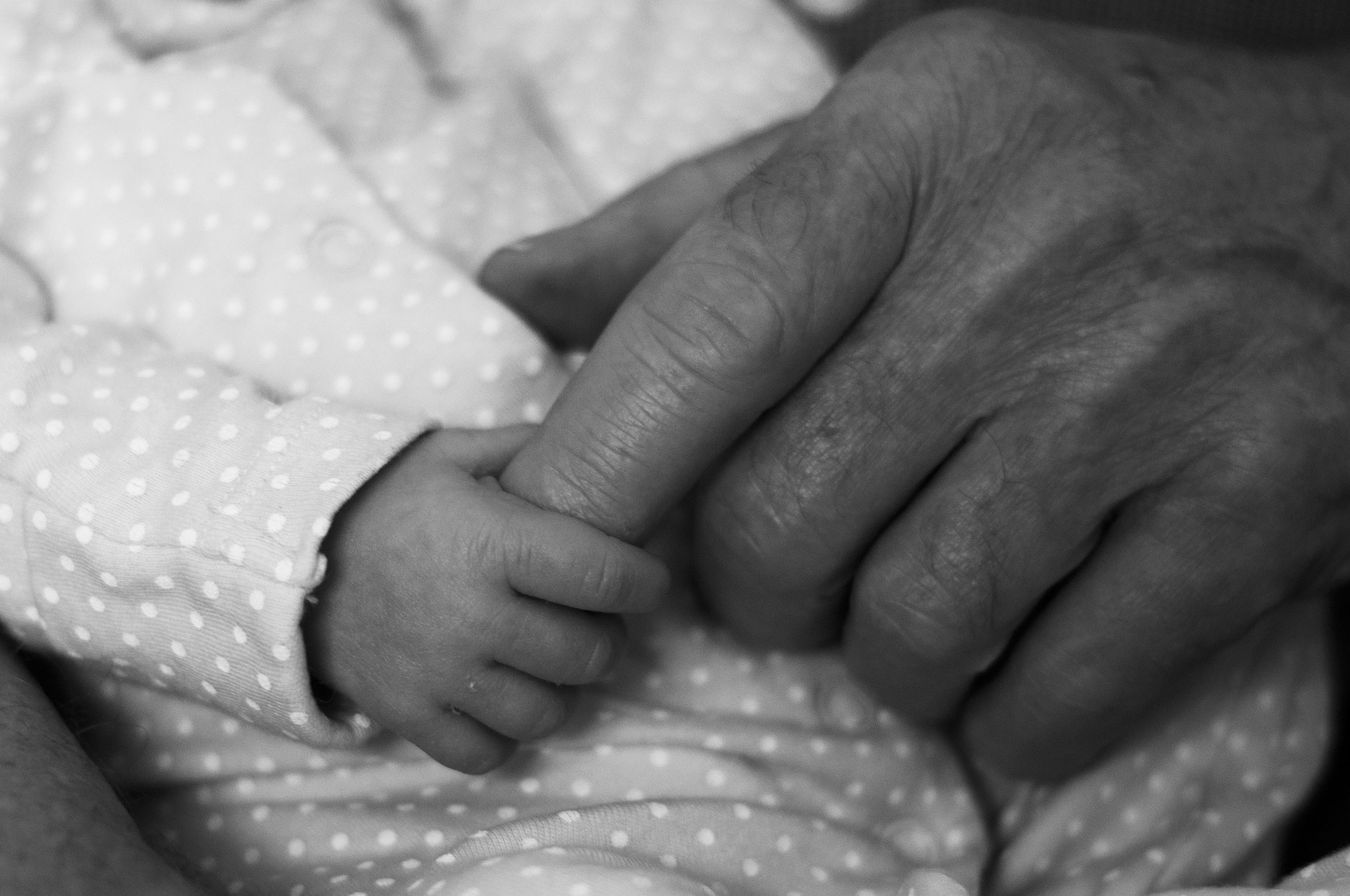
Therefore, when we see persistent states of postural tension and pain which are often accompanied by patterns of decreased vagal tone, dysautonomia such as POTs, tactile, auditory or visual hypersensitivity, fatigue, brain fog, digestive issues and/or mood and anxiety disorders we have to consider what could be propagating these patterns. Besides obvious injuries, traumas and stressors it is proposed that the presence of underlying pathogens and toxins be considered.
Postural patterns of tension and torque can be facilitated by a nervous system that is dealing with chronic pathogens and/or toxins through the following possible mechanisms:
- Directly: Pathogens and/or toxins directly inhabiting the nervous system (nerve, ganglion or brain tissue) muscle, fascia and/or associated connective tissue of the neurosensory-motor complex activating a cell danger response, autonomic nervous system and thus disrupting the neurosensory-motor experience.
- EBV has been found in the synovial tissues of RA. [14]
- Herpes viruses gravitate to living in peripheral nerves and ganglia, particularly the dorsal root ganglia which houses the sensory nerves from the body tissues.
- Herpes viruses can occupy cranial nerves such as the trigeminal and facial nerves which can cause altered head, jaw and/or facial neurosensory processing including pain. For example, perhaps habitual clenching or grinding is a result of the body trying to reconcile altered sensorimotor processing due to chronically infected neuromuscular tissues?
- Indirectly: The presence of pathogens or toxins in nearby organs, connective tissue or lymphatic system trigger a stress response and thus increased regional postural tension patterning.
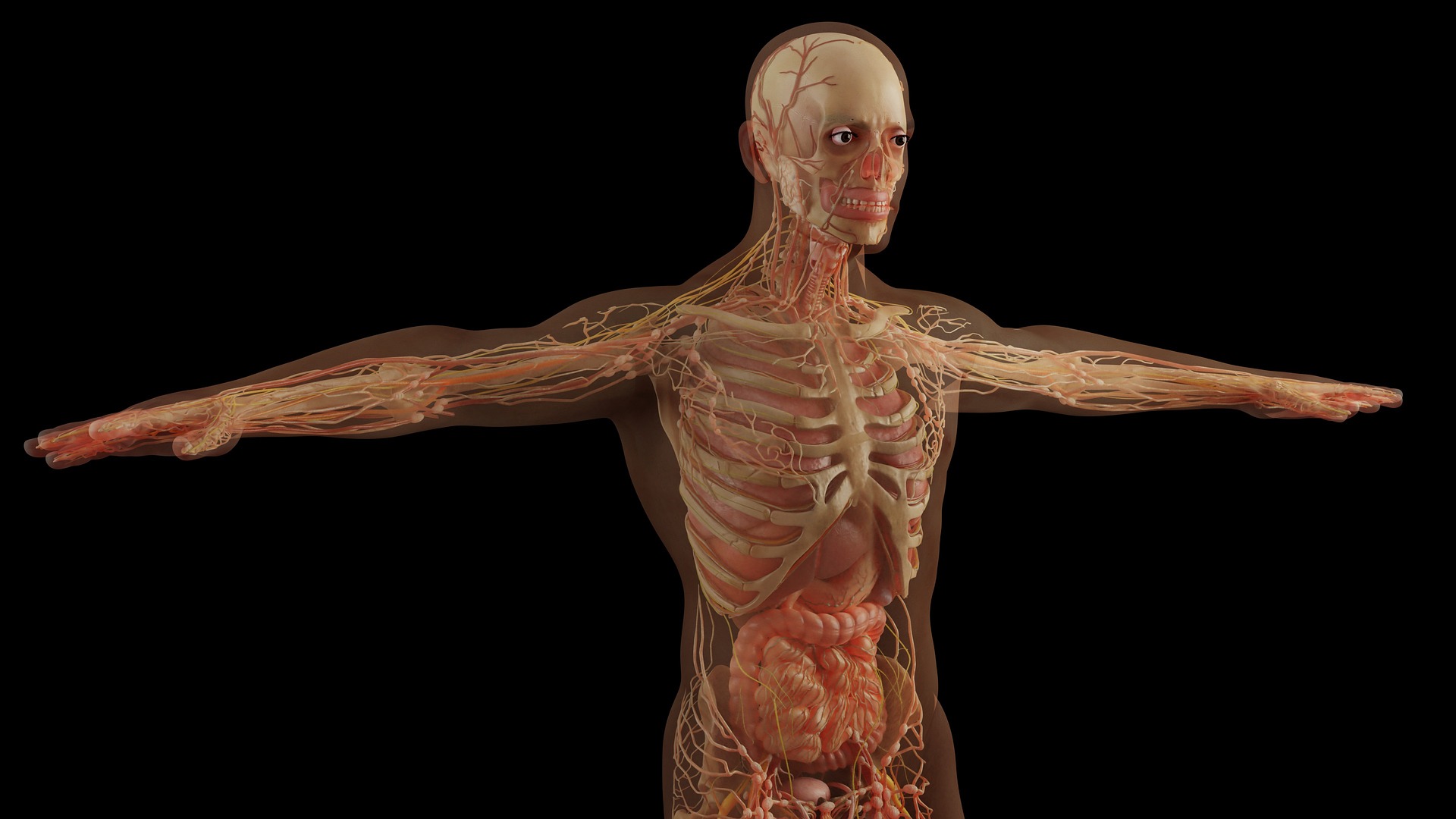
What dictates where someone experiences symptoms?
- The region of chronic infection/toxicity will influence the location of symptoms.
-
- Ex- EBV in the synovial fluid of your knee will activate a cell danger response in this region coupled with inflammatory pain. This can increase muscle tension in your entire leg such as your foot and up into your hip/pelvis further contributing to symptoms.
- An acute neuromusculoskeletal injury or trauma creates a vulnerable state which could result in opportunistic pathogens entering the tissue and staying. This may explain why a body region that was previously injured may reactivate symptomatically in the future.
-
- One way to tell where you may have chronic pathogens is when you experience an acute infection, such as the flu or COVID, take note in your body where you feel aches. Decreased latency of chronic infections occurs during acute ones because the immune system has to direct its resources towards managing the acute infection allowing latent ones to wake up.
Therefore, for individuals who still exhibit restricted postural patterns of tension and chronic pain despite direct biomechanical postural interventions it is recommended to consider the physiological state of the tissues and whether underlying chronic infections and/or toxicity may be driving a cell danger response, sympathetic nervous system activation and thus increased neuromuscular tension, inflammation, torque and pain.
I am going to share with you my own personal experience that convinced me of this phenomenon. About 1x a year for many years my low back would go out. It usually was triggered by bending over. When in this state, I would have pain in the center of my spine that would radiate laterally resulting in being immobilized for a few days. Typically, one would assume that perhaps I had a disc that would “go out.”
In 2022 my back went out twice. The first was the day after I had a lip tie release procedure where I bent over to tie my shoes as usual and felt a twinge in my back. Shortly after I could barely move for a few days. The mechanical trigger to this was very mild on a body that had just experienced a significant trauma and was in a vulnerable state. The second experience (6 months later) involved me trying out a new detox protocol involving a significant amount of anti-pathogenic herbs. Within a couple days of initiating this regimen my back went out in the worst way it ever has. This time there was no mechanical trigger at all. The only thing that was different was the detox regimen I had just started. I essentially went too aggressively against the pathogens and/or toxins residing in my spine resulting in an inflammatory response.
When my body responded this way, I titrated back on my dosages but continued to work on my detox protocol. Since then (Oct 2022), my back has not gone out again. This is interpreted as a substantially reduced pathogenic/toxin load in this region of my body.
How do we address chronic infections and toxicity? We detoxify them out of our bodies and reduce their load.
This involves supporting the immune and digestive systems, particularly the liver, our primary detoxification organ. Nutrition is key in this process which includes both diet and incorporating important supplements.
Key nutritional elements for successful detoxification and thus reduced inflammation typically involve both elimination of inflammatory foods, beverages and substances while concurrently adding in healing foods, beverages and supplements with adequate underlying hydration.
Foundational Nutritional Recommendations for Reducing Pain, Inflammation and Postural Tension
These strategies are rooted in Medical Medium references with additional research studies to support which can be accessed at the end of this article.
- The following are listed in hierarchical order of general importance to eliminate/reduce. There will be individual variety regarding which items are more problematic than others. The most commonly consumed foods associated with food allergies are dairy products, eggs, fish, shellfish, tree nuts, peanut, soybean, and wheat-based products. [33]
- Dairy, eggs, gluten
- Study of a 3 month elimination diet of gluten, dairy and meat in individuals with RA demonstrated decreased pain, disability and inflammatory markers. [34]
- Study of a 4 month elimination diet of gluten, cow’s milk, red meat, alcohol, sugar and processed foods resulted in improved pain, stress, sleep and physical characteristics [35]
- Dairy [36]
- High consumption of milk is associated with increased incidence and severity of colitis.
- Nurses’ Health Study cohorts showed an increased risk for developing MS among women with a high intake of whole milk during adolescence where women who consumed whole milk 3 or more times per day had a 47% increased risk of developing MS compared to those who consumed < 1 serving per day.
- The HOLISM (Health Outcomes in a Sample of people with MS) study of 2047 patients identified that those who reported not consuming dairy were less likely to report recent disease activity and reported higher health-related quality of life compared to those who reported consuming dairy.
- Dairy consumption is correlated to Type 1 diabetes [37]
- Eggs
- Eggs are viral promoting as they are used in growing vaccine viral cultures
- Egg consumption is linked to cardiovascular disease, cancer and all-cause mortality. [37]
- Study showed increased concentration of EBV viral material in patients with egg allergies supporting a correlation between them. [1]
- Gluten
- Dairy, eggs, gluten
-
- Soft drinks (highly acidic, artificial flavors)
- Tuna (high in mercury)
- Corn (promotes inflammation and typically is GMO)
- Pork (high fat)
- Soy (typically is GMO)
- Seafood/fish (high in toxins besides wild salmon, trout, sardines)
- Industrial oils (promote inflammation, high in fat)
- Lamb (high fat)
- Vinegar (including apple cider)(harsh on liver)
- Caffeine (promotes adrenaline spikes)
- Fermented foods (harsh on liver)
- Grains (besides oats, brown rice and millet) (can promote inflammation in some individuals)
- Oils (due to fat content)
- MSG, preservatives, formaldehyde, nutritional yeast, natural flavors, aspartame and other artificial sweeteners, additives (all toxic to the body)
- It is recommended that water be your primary hydration staple doing 16-32 oz immediately upon waking, a minimum of 40 oz during the day and another 16 oz in the evening.
- The total amount that is best for someone may fluctuate depending on your weight and other sources of liquids such as smoothies, juices, herbal teas, broths, fruits and vegetables. Likewise, if you are consuming caffeine, alcohol, extra salt, exercise and/or perspire a lot you may need to increase your hydration levels. Another rule of thumb is to drink ~½ your body weight in ounces of water a day.
- It can be helpful to add freshly squeezed lemon/lime to help alkalize the body as they are a good source of bioavailable calcium.
- Organic is preferred to reduce pesticide toxicity.
-
- Vegetables (7-8 servings/day) emphasizing starchy ones like potatoes, sweet potatoes and squash. These carbohydrates provide essential energy for you.
- Fruit (6 servings/day) the sugar in fruit is what nature intended for your cells to thrive on and not to be feared. It is also coupled with powerful healing nutrients.
- Leafy greens (2.5 cups/day)
- Herbs and wild foods
- Legumes
- Non-gluten grains such as brown rice, millet, oats
- This helps to:
-
- Reduce strain on the liver so it will not have to use its energy and resources to metabolize fat and can instead focus on detoxification efforts
- Increase blood oxygen which helps to kill off pathogens. High fat foods require increased oxygen to metabolize as demonstrated in this study on the differences in oxygen levels and performance between high fat/low carb and high carb/low fat diets. [41]
- Reduce adrenaline which when chronically produced is corrosive to your cells and tissues. High fat intake is associated with increased norepinephrine [42]. High fat that stimulates adrenaline production [43] ultimately simulates a stress response.
- Reduce competition with glucose for cell entry as fat will block glucose from entering resulting in elevated glucose levels and over time decreased insulin sensitivity. Our cells primarily run on glucose where our brain only uses glucose which provides the most efficient conversion for ATP energy.
- If you are not convinced about the negative health aspects of fat, reference the book “Mastering Diabetes” [37] which reviews the research showing that from a short term perspective both a high fat/low carbohydrate and a low fat/high carbohydrate diet will decrease fasting glucose levels, A1c, triglycerides, insulin levels and promote weight loss. However, with a high fat diet, insulin sensitivity actually decreases and LDL cholesterol does not always decrease but often will increase. Both elevated LDL and decreased insulin sensitivity are associated with chronic disease.
- “Mastering Diabetes” [37] reviews a large amount of research with some going back 100 years showing that:
- Chronic disease of all kinds is associated with long term high fat/low carbohydrate intake.
- Carbohydrates such as fruit, vegetables (including starchy ones like potatoes), legumes and intact whole grains protect against rapid glucose spikes and insulin resistance.
- Increased consumption of all kinds of meat are associated with insulin resistance and increased chronic disease (processed meat>unprocessed red meat>poultry)
- One researcher followed individuals with MS who were put on a low saturated fat diet (<20g/day) over the course of 34-50 years and found that those who adhered to the diet showed significantly less disability and lower mortality rates than those who did not comply. Another study found that higher saturated fat intake tripled the relapse rate. [36]
- As you decrease fat intake you must concurrently increase carbohydrate intake, particularly healing ones (primarily through vegetables and fruits) and eat more frequently. It is important to not get too hungry as when your blood sugar drops your body interprets this as a stress response which will stimulate increased adrenaline/cortisol production.
- Fruits and vegetables all contain protein (and even fat).
- 1 cup peas: 8-9 g
- 1 cup artichoke: 4 g
- 1 cup broccoli: 3 g
- 1 cup brussels sprouts: 3 g
- 1 potato: 3 g
- 1 cup asparagus: 3 g
- 1 cup blackberries: 2 g
- 1 cup kiwi: 2 g
- 1 cup apricot: 2 g
- 1 cup cantaloup: 1.5 g
- 1 cup raspberries: 1.5 g
- 1 banana: 1.3 g
- 1 orange: 1 g
- 1 cup raw spinach: 0.9 g
- 1 cup blueberries: 0.6 g
- 1 apple: 0.5 g
- Legume protein content:
- ½ cup lentils 9 g
- ½ cup chickpeas 7 g
- Grains protein content:
- 1 cup cooked quinoa 8 g
- ½ cup cooked rolled oats: 6 g
- 1 cup cooked millet: 6 g
- 1 cup cooked brown rice: 4.5 g
- Typical protein sources such as meat and nuts are concurrently high in fat and thus due to the reasoning explained above, it is best to primarily secure protein from low fat sources such as vegetables, fruits, legumes and gluten-free grains. Lean meats are permitted no more than 1x a day with restriction on fattier meats.
- The CDC recommends to consume an average of 46g/day for women and 56 g/day for men. Other sources say:
- At least 10% of your calories and no more than 35%.
- .8 g per every kilogram you weigh
- You likely don’t need as much protein as the food industry says you do. High protein diets strain the kidneys and liver.
What about Supplements?
- Unfortunately, due to the nutrient depletion of our soil [44], our food does not contain the level of nutrients that it once did thus necessitating supplementation. Furthermore, the foods that contain the highest levels of nutrients are typically not being consumed in adequate quantities. Given all that we are faced against in the modern world, supplementation is important. Both purity and potency are important considerations regarding supplements:
- Any tincture should be alcohol-free as alcohol can denature the product while also being harsh on the liver.
- Organic products are optimal.
- No fillers or preservatives such as citric acid, natural flavors, aspartame, MSG (monosodium glutamate), alcohol, guar gum, carrageenan and other possibilities.
- There are numerous supplements on the market that are not actually beneficial for you.
- Some recommended quality brands for alcohol-free herbal tinctures are Vimergy, Hawaii Pharm and Nature’s Answer. Pure Encapsulations is typically good for vitamins and mineral supplements but some of their products do contain undesirable fillers.
- Getting the right dosage is essential!
- Many products may contain multiple herbs, vitamins and/or minerals in their formula (ex-multivitamins) where the dosages of each are typically low and less likely to exhibit a therapeutic effect. Therefore, it is usually best to work with single ingredient products that have higher concentrations.
- Top 3 recommended supplements:
-
- Zinc is very antiviral and the second most abundant trace mineral in the body after iron. Zinc is critical for cellular processes including DNA/RNA and protein synthesis. [45]
- *Liquid (zinc sulfate) is the preferred form as it is most absorbable to the body. If you are sensitive, swish in your mouth for 60 seconds and then spit out.
- Vimergy Zinc: 1-2 dropperfuls/1-2x day
- Mercola Zinc Sulfate: 1-2 dropperfuls/1-2x day
- Biotics Aqueous Zinc: 1-2 teaspoons/1-2x day
- Vitamin B12 has been found to help with pain [46], inflammation [47] and nerve regeneration as well as reducing fibromyalgia symptoms and anxiety. [48] It is recommended to use a combination of the natural intracellular active versions of adenosyl and methylcobalamin (not synthetic cyanocobalamin) to best support the nervous system. [49] This formulation can be difficult to find on the market and thus the following is suggested:
- *Liquid: Vimergy B12 - 1-2 dropperfuls/1-2x day
- Capsule: need to purchase 2 products to get both types of B12 (adenosyl and methyl)
- Pure Encapsulations B12 Folate: 1 capsule/1-2x day OR Pure Encapsulations Methylcobalamin: 1 capsule/1-2x day
PLUS
-
-
-
- Pure Encapsulations Adenosyl/Hydroxy B12: 1 capsule/1-2x day
-
-
-
- Vitamin C is an antioxidant, anti-inflammatory and immune strengthening. It is recommended to take Vitamin C in a buffered form such as “calcium ascorbate” or “magnesium ascorbate.” This formulation is gentle on the stomach and highly absorbable.
- *Vimergy Micro C: 1-3 capsules, 1-2x day
- Pure Encapsulations Ester-C: 1-3 capsules, 1-2x day
- Vitamin C is an antioxidant, anti-inflammatory and immune strengthening. It is recommended to take Vitamin C in a buffered form such as “calcium ascorbate” or “magnesium ascorbate.” This formulation is gentle on the stomach and highly absorbable.
-
- Working with herbs
-
-
- Herbs are excellent anti-inflammatory natural tools and at times essential to accomplish the detoxification required for individuals to heal and feel better
- Before incorporating herbs:
- It is very important to be properly hydrated to be able to appropriately eliminate toxins through your bowel and bladder.
- It is generally recommended to start with dietary changes before proceeding to herbs.
- If you are dealing with someone who is sensitive or has a lot of symptoms and health issues, it is suggested to introduce 1 herb at a time, at a low dose and gradually increase as tolerated. Wait 5 days before adding another.
- Top recommended anti-pathogenic and detox herbs and wild foods: Lemon balm, licorice, cat’s claw, nettle, curcumin, burdock, milk thistle, red clover, feverfew, olive leaf, spirulina, barley grass juice powder, cilantro, dulse, wild blueberries, thyme, mullein leaf, ginger, aloe, echinacea, oregon grape root
- Can be taken orally but also applied topically. Topical use can be helpful for localized areas of pain.
-
- Other beneficial supplements
-
- Lysine-antiviral
- Nascent iodine-anti-viral, supports thyroid
- Magnesium Glycinate-supports sleep, nervous system, liver, intestines, adrenals, reduces muscle tension and pain,
- Vegan based omega 3 (EPA/DHA). Fish sources can contain toxins even if purified.
- Mood, cognition, sleep
The reality is that we all have some degree of toxin and pathogen pattern in our body and would benefit from detoxification efforts. Furthermore, it is important to consider other factors that are stressing your immune system’s ability to manage underlying toxin and pathogen load. This includes:
- History of or active trauma whether that be physical or emotional (surgery, concussions, repetitive strain injuries, abuse, emotional hardships)
- Existing disease states
- Degree of ongoing toxin/pathogen exposure
Indications that nutritional intervention is required to facilitate detoxification and reduce postural tension, pain and inflammation
- Despite direct postural and biomechanical therapeutic interventions, you still have pain and symptoms.
- You have a lot of pain indicating neural or connective tissue inflammation propagated by toxins/pathogens
- Neural inflammation can involve burning, numbness and tingling type symptoms
- Connective tissue inflammation can be characterized by localized swelling and/or tenderness to palpation
- You have other symptoms besides typical neuromuscular ones such as anxiety or depression, digestive problems, brain fog, fatigue, dysautonomia, hypersensitivities such as to light, sound and/or foods.
- You have an “autoimmune diagnosis” such as:
- Fibromyalgia
- Rheumatoid Arthritis
- Lupus
- Multiple Sclerosis
- Celiac
- Hashimoto’s
- You have a history of known mono, EBV, herpes or other type of infection.
- You tend to get rashes or may have little bumps on your skin.
- You have or previously have had amalgam fillings.
- You have a history of significant dental decay.
Ideal vs Reality
Ideally, we would all be eating low fat diets primarily based around fruits, vegetables, leafy greens and wild foods coupled with some legumes, intact gluten-free whole grains such as rice, oats or millet and modest amounts of unprocessed lean meat (poultry preferred over red meat) taken ideally at dinnertime.
However, the reality is that we modern humans have some serious food issues where our ability to actually follow through with such a diet is limited. Physiological and emotional food addictions are real and unfortunately there are more cases than not where one will choose to continue with their dietary habits and suffer ill health and even early death over changing their dietary patterns.
Physiological food and beverage addictions can involve caffeine, alcohol, salt, processed sugars, additives, gluten and dairy which all promote inflammation. When we crave certain foods one must ask, “Is it truly me who wants this substance or perhaps pathogens perpetuating persistent pro-inflammatory processes? Alcohol and sugar cravings can be due to not having adequate glucose and glycogen reserves in the body, particularly the liver. Caffeine and chocolate addictions can indicate issues with adrenaline. Salt cravings can be related to electrolyte/mineral deficiencies or adrenal fatigue.

When experiencing emotional stress we will often turn towards foods that give us an adrenaline hit (such as caffeine or fat) to boost our mood and energy, provide emotional comfort or distract us from underlying stressors. Many foods we gravitate towards go back historically to times in our life where we felt safe and nurtured within our family and thus we sensorily positively associate them with this experience.
Therefore, when starting out on a nutritional journey, it is encouraged to set small reasonable goals and build from there. For some this may be drinking 16 oz more water/day while for others it will be an entire dietary overhaul. Generally, as one begins to clean up their physiology, it becomes easier to keep up with healthier dietary patterns.
If someone is really blocked with making changes in their eating habits, they likely are up against certain underlying dietary beliefs and/or emotional attachments that will not permit them to make any or all of the changes that would best support their health and well-being. In this case, an approach focusing more on the emotional-mental and even spiritual realms may be necessary.
A final important point to bring up is that the degree to which someone may need to change their nutritional patterns to result in meeting their goals in how they want to feel and move will significantly vary. For some it might mean a few easy changes while for others it might entail an incredibly strict overhaul with significant supplement integration which could potentially take years. It all depends on what they need and are willing and able to do which can evolve over time as they do.
EMPOWER YOURSELF WITH BODY-HEART-MIND-SOUL INTEGRATED NUTRITION TO TACKLE YOUR TOXIN AND PATHOGEN LOAD
[1] Y. Pan, Z. Nie, Y. Zhang, K. Zhang, J. Li, and L. Wang, “Identification of EBV infection in adults with egg specific food allergy,” Virol. J., vol. 10, p. 9, Jan. 2013, doi: 10.1186/1743-422X-10-9.
[2] R. K. Naviaux, “Metabolic features of the cell danger response,” Mitochondrion, vol. 16, pp. 7–17, May 2014, doi: 10.1016/j.mito.2013.08.006.
[3] R. K. Naviaux, “Incomplete Healing as a Cause of Aging: The Role of Mitochondria and the Cell Danger Response,” Biology, vol. 8, no. 2, Art. no. 2, Jun. 2019, doi: 10.3390/biology8020027.
[4] S. W. Porges, The polyvagal theory: Neurophysiological foundations of emotions, attachment, communication, and self-regulation. in The polyvagal theory: Neurophysiological foundations of emotions, attachment, communication, and self-regulation. New York, NY, US: W W Norton & Co, 2011, pp. xvii, 347.
[5] “Viruses: What They Are & How They Work,” Cleveland Clinic. Accessed: Feb. 23, 2024. [Online]. Available: https://my.clevelandclinic.org/health/body/24861-virus
[6] A. K. Junker, E. E. Thomas, A. Radcliffe, R. B. Forsyth, A. G. F. Davidson, and L. Rymo, “Epstein-Barr Virus Shedding in Breast Milk,” Am. J. Med. Sci., vol. 302, no. 4, pp. 220–223, Oct. 1991, doi: 10.1097/00000441-199110000-00005.
[7] R. Ayee, M. E. O. Ofori, E. Wright, and O. Quaye, “Epstein Barr Virus Associated Lymphomas and Epithelia Cancers in Humans,” J. Cancer, vol. 11, no. 7, pp. 1737–1750, Jan. 2020, doi: 10.7150/jca.37282.
[8] F. Aloisi, G. Giovannoni, and M. Salvetti, “Epstein-Barr virus as a cause of multiple sclerosis: opportunities for prevention and therapy,” Lancet Neurol., vol. 22, no. 4, pp. 338–349, Apr. 2023, doi: 10.1016/S1474-4422(22)00471-9.
[9] K. Bjornevik, C. Münz, J. I. Cohen, and A. Ascherio, “Epstein-Barr virus as a leading cause of multiple sclerosis: mechanisms and implications,” Nat. Rev. Neurol., vol. 19, no. 3, pp. 160–171, Mar. 2023, doi: 10.1038/s41582-023-00775-5.
[10] K. Bjornevik et al., “Longitudinal analysis reveals high prevalence of Epstein-Barr virus associated with multiple sclerosis,” Science, vol. 375, no. 6578, pp. 296–301, Jan. 2022, doi: 10.1126/science.abj8222.
[11] S. Blaschke, G. Schwarz, D. Moneke, L. Binder, G. Müller, and M. Reuss-Borst, “Epstein-Barr virus infection in peripheral blood mononuclear cells, synovial fluid cells, and synovial membranes of patients with rheumatoid arthritis,” J. Rheumatol., vol. 27, no. 4, pp. 866–873, Apr. 2000.
[12] A. Janegova, P. Janega, B. Rychly, K. Kuracinova, and P. Babal, “The role of Epstein-Barr virus infection in the development of autoimmune thyroid diseases,” Endokrynol. Pol., vol. 66, no. 2, pp. 132–136, 2015, doi: 10.5603/EP.2015.0020.
[13] N. R. Jog and J. A. James, “Epstein Barr Virus and Autoimmune Responses in Systemic Lupus Erythematosus,” Front. Immunol., vol. 11, p. 623944, 2020, doi: 10.3389/fimmu.2020.623944.
[14] T. Takeda, Y. Mizugaki, L. Matsubara, S. Imai, T. Koike, and K. Takada, “Lytic Epstein-Barr virus infection in the synovial tissue of patients with rheumatoid arthritis,” Arthritis Rheum., vol. 43, no. 6, pp. 1218–1225, Jun. 2000, doi: 10.1002/1529-0131(200006)43:6<1218::AID-ANR4>3.0.CO;2-2.
[15] F. Aloisi, C. Veroni, and B. Serafini, “EBV as the ‘gluten of MS’ hypothesis: Bypassing autoimmunity,” Mult. Scler. Relat. Disord., vol. 66, p. 104069, Oct. 2022, doi: 10.1016/j.msard.2022.104069.
[16] P. N. Britton and C. A. Jones, “Central nervous system herpesvirus infections,” Paediatr. Child Health, vol. 28, no. 6, pp. 270–276, Jun. 2018, doi: 10.1016/j.paed.2018.04.003.
[17] R. J. Whitley, “Herpesviruses,” in Medical Microbiology, 4th ed., S. Baron, Ed., Galveston (TX): University of Texas Medical Branch at Galveston, 1996. Accessed: Feb. 18, 2024. [Online]. Available: http://www.ncbi.nlm.nih.gov/books/NBK8157/
[18] “Epstein-Barr Virus Laboratory Testing | CDC.” Accessed: Feb. 18, 2024. [Online]. Available: https://www.cdc.gov/epstein-barr/laboratory-testing.html
[19] L. F. Duarte, M. A. Farías, D. M. Álvarez, S. M. Bueno, C. A. Riedel, and P. A. González, “Herpes Simplex Virus Type 1 Infection of the Central Nervous System: Insights Into Proposed Interrelationships With Neurodegenerative Disorders,” Front. Cell. Neurosci., vol. 13, 2019, Accessed: Feb. 18, 2024. [Online]. Available: https://www.frontiersin.org/articles/10.3389/fncel.2019.00046
[20] C. G. Parks et al., “High pesticide exposures events, pesticide poisoning, and shingles: A medicare-linked study of pesticide applicators in the agricultural health study,” Environ. Int., vol. 181, p. 108251, Nov. 2023, doi: 10.1016/j.envint.2023.108251.
[21] V. Arndt, M. F. Vine, and K. Weigle, “Environmental chemical exposures and risk of herpes zoster.,” Environ. Health Perspect., vol. 107, no. 10, pp. 835–841, Oct. 1999, doi: 10.1289/ehp.99107835.
[22] D. H. Gilden, R. Mahalingam, R. J. Cohrs, and K. L. Tyler, “Herpesvirus infections of the nervous system,” Nat. Clin. Pract. Neurol., vol. 3, no. 2, pp. 82–94, Feb. 2007, doi: 10.1038/ncpneuro0401.
[23] N. Zhang, Y. Zuo, L. Jiang, Y. Peng, X. Huang, and L. Zuo, “Epstein-Barr Virus and Neurological Diseases,” Front. Mol. Biosci., vol. 8, p. 816098, 2021, doi: 10.3389/fmolb.2021.816098.
[24] B. Vellingiri et al., “Role of heavy metals (copper (Cu), arsenic (As), cadmium (Cd), iron (Fe) and lithium (Li)) induced neurotoxicity,” Chemosphere, vol. 301, p. 134625, Aug. 2022, doi: 10.1016/j.chemosphere.2022.134625.
[25] J. R. Richardson, V. Fitsanakis, R. H. S. Westerink, and A. G. Kanthasamy, “Neurotoxicity of pesticides,” Acta Neuropathol. (Berl.), vol. 138, no. 3, pp. 343–362, Sep. 2019, doi: 10.1007/s00401-019-02033-9.
[26] M. Nabi and N. Tabassum, “Role of Environmental Toxicants on Neurodegenerative Disorders,” Front. Toxicol., vol. 4, p. 837579, Jan. 2022, doi: 10.3389/ftox.2022.837579.
[27] K. Raj, P. Kaur, G. D. Gupta, and S. Singh, “Metals associated neurodegeneration in Parkinson’s disease: Insight to physiological, pathological mechanisms and management,” Neurosci. Lett., vol. 753, p. 135873, May 2021, doi: 10.1016/j.neulet.2021.135873.
[28] B. Li, M. Xia, R. Zorec, V. Parpura, and A. Verkhratsky, “Astrocytes in heavy metal neurotoxicity and neurodegeneration,” Brain Res., vol. 1752, p. 147234, Feb. 2021, doi: 10.1016/j.brainres.2020.147234.
[29] “Pesticide-Induced Diseases Database,” Beyond Pesticides. Accessed: Feb. 23, 2024. [Online]. Available: https://www.beyondpesticides.org/resources/pesticide-induced-diseases-database/overview
[30] “Body Burden: The Pollution in Newborns | Environmental Working Group.” Accessed: Feb. 23, 2024. [Online]. Available: https://www.ewg.org/research/body-burden-pollution-newborns
[31] S. R. Sergent, S. M. Johnson, J. Ashurst, and G. Johnston, “Epstein-Barr Virus-Associated Atraumatic Spleen Laceration Presenting with Neck and Shoulder Pain,” Am. J. Case Rep., vol. 16, pp. 774–777, Oct. 2015, doi: 10.12659/AJCR.893919.
[32] M. Petrova and V. Kamburov, “Epstein-Barr virus: Silent companion or causative agent of chronic liver disease?,” World J. Gastroenterol., vol. 16, no. 33, pp. 4130–4134, Sep. 2010, doi: 10.3748/wjg.v16.i33.4130.
[33] J. Muthukumar, P. Selvasekaran, M. Lokanadham, and R. Chidambaram, “Food and food products associated with food allergy and food intolerance - An overview,” Food Res. Int. Ott. Ont, vol. 138, no. Pt B, p. 109780, Dec. 2020, doi: 10.1016/j.foodres.2020.109780.
[34] M. T. Guagnano et al., “Improvement of Inflammation and Pain after Three Months’ Exclusion Diet in Rheumatoid Arthritis Patients,” Nutrients, vol. 13, no. 10, p. 3535, Oct. 2021, doi: 10.3390/nu13103535.
[35] M. Sala-Climent et al., “The effect of an anti-inflammatory diet on chronic pain: a pilot study,” Front. Nutr., vol. 10, p. 1205526, 2023, doi: 10.3389/fnut.2023.1205526.
[36] I. Katz Sand, “The Role of Diet in Multiple Sclerosis: Mechanistic Connections and Current Evidence,” Curr. Nutr. Rep., vol. 7, no. 3, pp. 150–160, Sep. 2018, doi: 10.1007/s13668-018-0236-z.
[37] C. Khambatta and R. Barbaro, Mastering Diabetes: The Revolutionary Method to Reverse Insulin Resistance Permanently in Type 1, Type 1.5, Type 2, Prediabetes, and Gestational Diabetes. Avery, 2020.
[38] M. Paoloni, E. Tavernese, F. Ioppolo, M. Fini, and V. Santilli, “Complete remission of plantar fasciitis with a gluten-free diet: relationship or just coincidence?,” Foot Edinb. Scotl., vol. 24, no. 3, pp. 140–142, Sep. 2014, doi: 10.1016/j.foot.2014.06.004.
[39] A. Rej and D. S. Sanders, “Gluten-Free Diet and Its ‘Cousins’ in Irritable Bowel Syndrome,” Nutrients, vol. 10, no. 11, p. 1727, Nov. 2018, doi: 10.3390/nu10111727.
[40] C. Isasi et al., “Fibromyalgia and non-celiac gluten sensitivity: a description with remission of fibromyalgia,” Rheumatol. Int., vol. 34, no. 11, pp. 1607–1612, 2014, doi: 10.1007/s00296-014-2990-6.
[41] L. M. Burke et al., “Low carbohydrate, high fat diet impairs exercise economy and negates the performance benefit from intensified training in elite race walkers,” J. Physiol., vol. 595, no. 9, pp. 2785–2807, 2017, doi: 10.1113/JP273230.
[42] A. Aliyev, M. Seyedghodraty, M. Mohammadi, F. Mirzaei, and M. Marahem, “Impact of high-fat diet and hypoxia on the serum levels of main vasoconstrictors in male rabbits,” J. Cardiovasc. Thorac. Res., vol. 9, no. 2, pp. 90–94, 2017, doi: 10.15171/jcvtr.2017.15.
[43] A. Gomes et al., “High-fat diet promotes adrenaline production by visceral adipocytes,” Eur. J. Nutr., vol. 59, no. 3, pp. 1105–1114, Apr. 2020, doi: 10.1007/s00394-019-01971-0.
[44] D. Thomas, “A study on the mineral depletion of the foods available to us as a nation over the period 1940 to 1991,” Nutr. Health, vol. 17, no. 2, pp. 85–115, 2003, doi: 10.1177/026010600301700201.
[45] S. A. Read, S. Obeid, C. Ahlenstiel, and G. Ahlenstiel, “The Role of Zinc in Antiviral Immunity,” Adv. Nutr. Bethesda Md, vol. 10, no. 4, pp. 696–710, Jul. 2019, doi: 10.1093/advances/nmz013.
[46] S. Buesing, M. Costa, J. M. Schilling, and T. Moeller-Bertram, “Vitamin B12 as a Treatment for Pain,” Pain Physician, vol. 22, no. 1, pp. E45–E52, Jan. 2019.
[47] H. Hosseinzadeh, S. A. Moallem, M. Moshiri, M. S. Sarnavazi, and L. Etemad, “Anti-nociceptive and anti-inflammatory effects of cyanocobalamin (vitamin B12) against acute and chronic pain and inflammation in mice,” Arzneimittelforschung., vol. 62, no. 7, pp. 324–329, Jul. 2012, doi: 10.1055/s-0032-1311635.
[48] F. Gharibpoor, B. Ghavidel-Parsa, N. Sattari, A. Bidari, F. Nejatifar, and A. Montazeri, “Effect of vitamin B12 on the symptom severity and psychological profile of fibromyalgia patients; a prospective pre-post study,” BMC Rheumatol., vol. 6, no. 1, p. 51, Sep. 2022, doi: 10.1186/s41927-022-00282-y.
[49] C. Paul and D. M. Brady, “Comparative Bioavailability and Utilization of Particular Forms of B12 Supplements With Potential to Mitigate B12-related Genetic Polymorphisms,” Integr. Med. Encinitas Calif, vol. 16, no. 1, pp. 42–49, Feb. 2017.
[50] A. William, Medical medium: secrets behind chronic and mystery illness and how to finally heal (1st edition.). Hay House, Inc., 2015.
[51] A. William, Medical medium life-changing foods: save yourself and the ones you love with the hidden healing powers of fruits & vegetables (1st edition.). Hay House, Inc., 2016.
[52] A. William, A, Medical medium thyroid healing: the truth behind Hashimoto's, Graves', insomnia, hypothyroidism, thyroid nodules & Epstein-Barr . Hay House, Inc., 2017.
[53] A. William, Medical medium: liver rescue : answers to eczema, psoriasis, diabetes, strep, acne, gout, bloating, gallstones, adrenal stress, fatigue, fatty liver, weight issues, SIBO & autoimmune disease (1st editition.). Hay House Inc., 2018.
[54] A. William, Medical medium: secrets behind chronic and mystery illness and how to finally heal (Revised and expanded edition.). Hay House, Inc., 2020.
[55] A. William, Medical medium celery juice: the most powerful medicine of our time healing millions worldwide (First edition.). Hay House, Inc., 2019.
[56] A. William, Medical Medium Cleanse to Heal: Healing Plans for Sufferers of Anxiety, Depression, Acne, Eczema, Lyme, Gut Problems, Brain Fog, Weight Issues, Migraines, Bloating, Vertigo, Psoriasis . Hay House, 2020.
[57] A. William, Medical medium brain saver protocols, cleanses & recipes: for neurological, autoimmune & mental health (First edition.). Hay House, Inc., 2022.
[58] A. William and A. Junger, Medical medium brain saver: answers to brain inflammation, mental health, OCD, brain fog, neurological symptoms, addiction, anxiety, depression, heavy metals, Epstein-Barr virus, seizures, lyme, ADHD, Alzheimer's, autoimmune & eating disorders (First edition.). Hay House, Inc., 2022.
This content is being provided for informational purposes only and is not a substitute for medical advice.
Please consult your medical doctor or professional if you have medical concerns.
©️ 2022 Resonate Health. This video may not be duplicated, copied or shared unless authorized.