

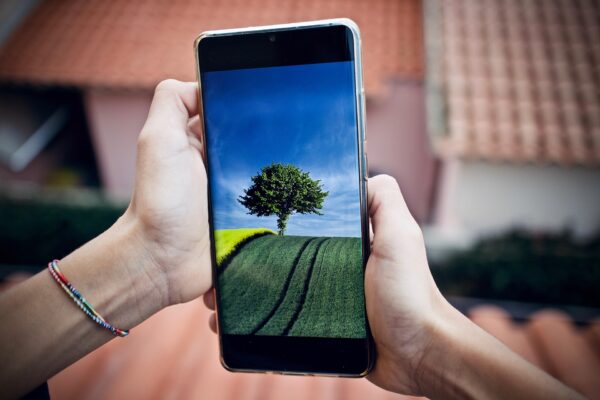
Modern life has created a phenomenon some call “nature deficit disorder.” For many of us, our days are dominated by screens, notifications, emails and social media. We check our phones dozens of times, spend hours on digital tasks and deal with constant interruptions. This overstimulation taxes the brain, leaving fewer resources for deep thinking, creativity and presence.
At the same time, we spend most of our time indoors, often seated on flat surfaces under artificial light. When we exercise, it is often in a gym, moving on equipment that isolates us from natural movement. Air quality is compromised, synthetic materials surround us and our visual and auditory senses are constantly engaged with digital screens and artificial noise. Even our food, often highly processed and industrially raised, disconnects us from the natural sources our bodies evolved to consume. These daily patterns may feel normal but they profoundly impact our bodies, minds and connection to the world around us.

Our Evolutionary Connection to Nature
Humans evolved outdoors for millions of years. Our DNA, senses and physiology were shaped to move in dynamic natural environments, find water, hunt, gather and respond to complex sensory input. Water has always played a central role. We spend nine months in a fluid-filled womb, listening to the rhythm of our mother’s heartbeat and breathing. Our bodies are 60-78% water and our brains are 80% water. Water nourishes us physically and emotionally and even brief interactions with it can regulate our nervous system and enhance well-being.
Our connection to nature is not just poetic, it is biological. Evolution equipped us to thrive in rhythmical, multi-sensory environments. When we disconnect, our physiology suffers, manifesting as cognitive fatigue, musculoskeletal tension, emotional stress or chronic disease.

The Neuroscience of Nature
Research shows that being in or viewing nature engages multiple areas of the brain:
- Anterior cingulate and insula: linked to empathy
- Basal ganglia: supports rhythmical movement
- Prefrontal cortex: responsible for decision-making and focus
- Nucleus accumbens: involved in pleasure and reward
Natural environments increase our “feel-good” chemicals including endorphins, oxytocin and dopamine. Studies show people are happiest outdoors and students with views of trees or water perform better on cognitive tasks and attention tests. Water images and experiences are particularly effective at sustaining attention and evoking positive emotions. In contrast, urbanized environments can overactivate the amygdala, reduce prefrontal and hippocampal functioning and increase stress levels.

Directed and Involuntary Attention
Our brains operate with two forms of attention. Directed attention is energy-intensive and needed for focused tasks and social interactions. Involuntary attention requires little effort, allows the brain to rest and is naturally supported by exposure to nature. This effortless state encourages flow, creativity, memory consolidation and learning. Natural environments provide a rhythmical, predictable background that allows the brain to detect novelty, process experiences and adapt.

Multi-Sensory Needs and Human Health
Humans are multi-sensory beings. Sight, hearing, taste, smell and touch are interconnected. Deficiencies in one area can impact cognition and memory. For example:
- Proprioception: Walking barefoot on uneven natural surfaces stimulates the neuromuscular system. Wearing shoes on flat surfaces limits this input, increasing tension, altering posture and potentially contributing to dysautonomia such as POTS.
- Vision: Chronic near-work in digital environments can lead to myopia and other visual adaptations, reflecting stress on the visual system.
- Hearing: Constant artificial noise increases cardiovascular and stress-related risks. Natural sounds, including music inspired by nature, are calming and restorative.
- Taste and smell: Industrialized diets and processed foods disrupt our connection to nature and limit proper nourishment. Eating foods grown and prepared as nature intended can restore sensory and physiological balance.

The Rhythm of Life
Nature is rhythmic and fractal. From subatomic vibrations to the cycles of our bodies and celestial movements, rhythm underpins life. Our heartbeat, breathing, gait and movement are all part of this rhythm. Digital lifestyles and indoor living diminish our natural tempos, contributing to chronic disease and movement dysfunction. Rediscovering our body’s rhythm through natural environments, movement and sensory engagement is essential for health and vitality.
Emotional and Ecological Connection
Disconnection from nature not only affects physiology but also empathy. When we do not sense our environment, we fail to recognize our place within it. This egocentric perspective diminishes compassion for others and the planet. Immersion in natural environments fosters interconnectedness, promotes empathy and reminds us that we are part of something larger than ourselves. By experiencing nature, we cultivate the motivation to care for it.

Practical Ways to Reconnect
Even in a digital world, we can rediscover our connection to nature. Consider these strategies:
- Step outside whenever possible and leave your digital devices behind
- If outdoors is not an option, use windows, art or nature sounds to expand your senses
- Engage fully with the sights, sounds, smells and sensations of natural environments
- Spend time near water to activate calming parasympathetic responses
- Choose foods grown and prepared naturally and eat mindfully
- Reduce screen time and check devices less frequently
- Move your body rhythmically and multi-dimensionally, incorporating PRI-inspired exercises
- Walk or play barefoot on soft uneven surfaces such as grass or sand
- Notice your breathing and heart rhythms, aligning them with natural movement
- Cultivate gratitude for the opportunity to sense and be part of the living universe
Conclusion
Sensing and feeling nature is essential for well-being. Nature nurtures us and in turn we must nurture it. The only way to care for the world is to care for our experience of it. By reconnecting with nature through all our senses, we regain rhythm, health and a sense of belonging. This is the rhythm of life.
- Nichols, W. J. (2014). Blue Mind: The Surprising Science That Shows How Being Near, In, On or Under Water Can Make You Happier, Healthier, More Connected and Better at What You Do. Little, Brown and Company.
- Fehmi, L. (2006). The Open Focus Brain: Harnessing the Power of Attention to Heal Mind and Body. New Harbinger.
- Sewall, L. (1999). Sight and Sensibility: The Ecopsychology of Perception. Tarcher/Penguin Publishing Group.
- Gedgaudas, N. (2011). Primal Body, Primal Mind: Beyond the Paleo Diet for Total Health and a Longer Life. Healing Arts Press.
This content is being provided for informational purposes only and is not a substitute for medical advice.
Please consult your medical doctor or professional if you have medical concerns.
©️ 2022 Resonate Health. This video may not be duplicated, copied or shared unless authorized.