
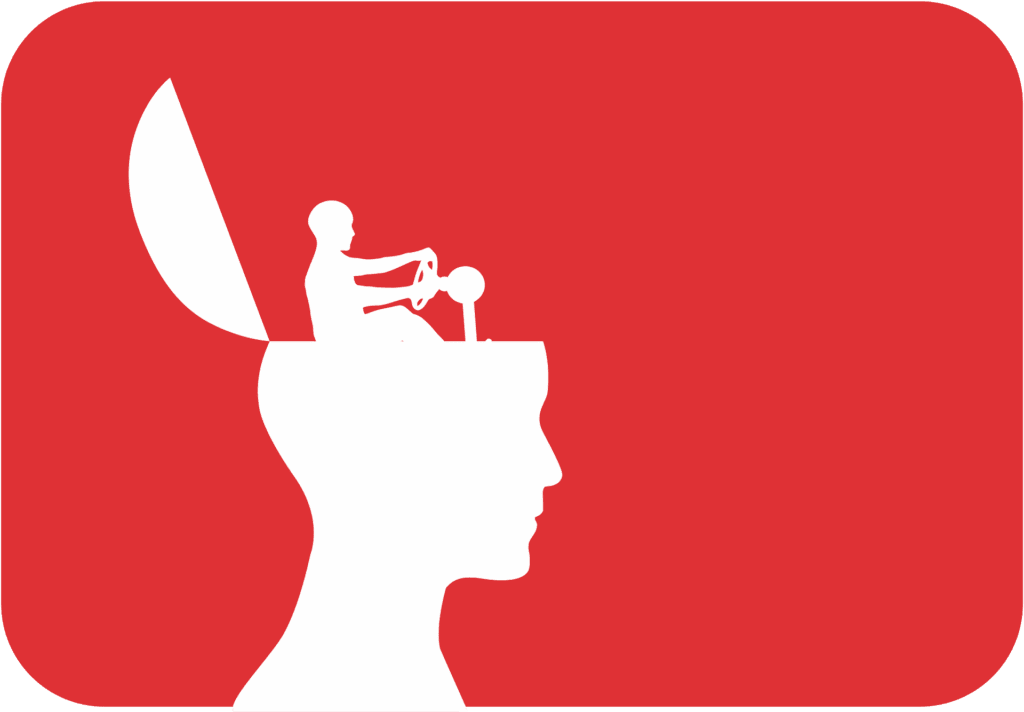
Even though we cannot control every circumstance in our lives, humans have an innate ability to control how we respond to them. This is where fate and free will intersect, shaping your life experience.
In the article, How Your Need to Control Really Controls You, we explored how over control can arise from underlying fears and insecurities. In this article, we examine how external forces—family, culture, society, media and politics—can shape your perception of reality and influence your choices.
How Perceptions Are Formed
A critical step on the path of self-discovery and healing is recognizing how your perception of yourself and the world develops. Your sense of reality is not innate—it is shaped continuously from the womb to the present moment.

Early Life Influences
Even before birth, the developing baby is influenced by the mood, movement and molecules of the mother. High stress, inactivity or chemical exposure during pregnancy can affect your physiology and emotional regulation. Birth experiences and early nutrition, such as breastfeeding, also have lasting impact. Beyond nutrition, breastfeeding provides critical sensory-motor experiences that support orofacial development and influence emotional relationships with food.
Early childhood experiences with caregivers and family shape your sense of safety, self-worth and value. Positive support builds confidence, while adversity or abuse can embed patterns that repeat throughout adolescence and adulthood until consciously unlearned.

Family, Mentors and Cultural Context
The people you interact with in childhood—parents, siblings, teachers and mentors—further shape your values, perspectives and sense of security. The cultural and moral environment you grow up in informs your understanding of “truth” and how the world operates. For instance, someone raised in a society with strict gender norms experiences reality differently than someone raised in a culture that prioritizes individual freedom and self-expression. These early frameworks often become the lenses through which you perceive life, unconsciously guiding your decisions and actions.
Media and Political Polarization
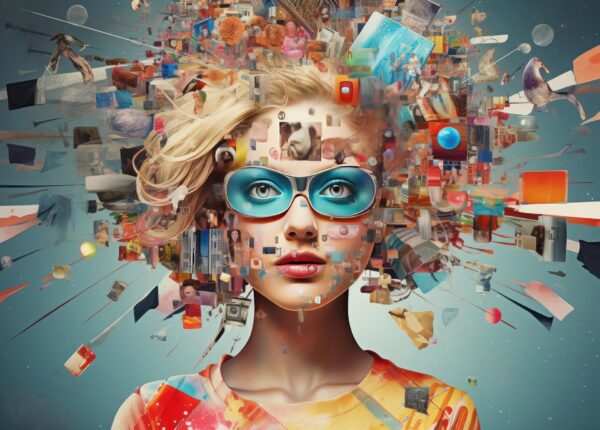
The information you consume plays a major role in shaping perception. News outlets, social media and cultural narratives frame reality in specific ways, often reflecting particular values, political perspectives or priorities. Today’s polarized political environment shows how the same event can be interpreted very differently depending on the lens through which it is presented.
Most people naturally seek media that aligns with their beliefs, rarely exposing themselves to alternative perspectives. This selective exposure reinforces existing biases and shapes not only how you see the world but how you feel about yourself and your choices. For example, one person may perceive a policy as protective and empowering, while another may see it as restrictive and unfair. The perspective you adopt influences your sense of safety, fairness and moral alignment. By being aware of media influence and seeking multiple perspectives, you can reduce unconscious bias and reclaim conscious control over your perception.

The Story You Live By
From the womb to the present, every experience, relationship and influence contributes to a personal narrative that governs how you perceive yourself and the world. While these experiences can provide a solid foundation for understanding and navigating life, they can also introduce distortions and limitations.
It is often this internalized story—both conscious and unconscious—that ultimately exerts control over your choices and actions. The good news is that you have the power to change the story, to observe it, question it and decide consciously who you want to be and how you want to engage with the world.
Self-Reflection Prompts
Observe without judgment. Consider how these areas have been influenced by your experiences, environment and media exposure.
Safety and Security
-
- Do you feel anxious, worried or never “enough”?
- Are you able to relax and experience peace?
- Who or what currently influences your sense of safety?
- How does your perception of safety shape your decisions and behavior?
Self-Esteem, Identity and Worthiness
-
- Do you know who you are?
- Are your decisions influenced by others in ways that feel misaligned with you?
- Can you maintain healthy boundaries in relationships?
- How does your sense of self-worth shape your actions and choices?
Values and Morals
-
- Which values or morals do you hold as important, and how attached are you to them?
- Do you judge others who do not share your values?
- How do your values influence your behavior?
Media and Cultural Influences
-
- How does the media you consume shape your perception of reality and truth?
- Do you typically expose yourself to multiple perspectives or only one viewpoint?
- How do societal and political narratives influence your sense of safety, self-esteem and decisions?
Reclaim Your Story and Your Power
Your perceptions, experiences and the information you consume have shaped your reality, but they do not have to define it. Awareness of these influences is the first step toward reclaiming your power and choosing the story you want to live.
By observing your patterns without judgment, questioning external narratives, and reflecting on your safety, self-worth and values, you can begin to make conscious decisions that align with your authentic self.
Healing and empowerment are lifelong journeys. Each insight, reflection and intentional choice strengthens your ability to live fully and consciously. Remember, you are the author of your story, and you have the power to change it whenever you are ready.
This content is being provided for informational purposes only and is not a substitute for medical advice.
Please consult your medical doctor or professional if you have medical concerns.
©️ 2022 Resonate Health. This video may not be duplicated, copied or shared unless authorized.