

Hot flashes, weight gain, hair thinning, memory lapses, brain fog and crushing fatigue—many women experiencing these symptoms are told they’re simply going through menopause, developing thyroid issues, or “just getting older.” But what if the true cause lies deeper?
For generations, menopause was seen as a positive life transition—bringing increased energy, a stable mood, and even slowed aging. It wasn’t until the 1950s that large numbers of women began reporting troubling new symptoms. Doctors were initially dismissive, later attributing the changes to hormonal imbalances. This belief gave rise to hormone replacement therapy (HRT), which provided limited relief for some but didn’t resolve the core issue.
What has not been acknowledged is that chronic underlying pathogens such as viruses and bacteria which started taking root in the early 1900s, along with environmental factors like radiation exposure and pesticides such as DDT are a significant source of stress on women's bodies, particularly the liver and contributing to menopause symptoms.
In addition to increasing viral and toxin load, women's adrenal glands are also being maxed out due to stress, caffeine laden lifestyles and other factors.
This misunderstanding has created a widespread identity crisis among women, who feel betrayed by their bodies. But the truth is empowering: menopause is not meant to be a time of suffering. When properly understood, it marks a healthy and even rejuvenating phase of life.
Fortunately, the underlying causes—viral activity, toxic overload, adrenal strain—can be addressed through diet and lifestyle. A healing approach that includes immune-supportive, hormone-balancing foods can bring real relief.
Menopause Symptoms Mean Your Liver is Congested

What Does Your Liver Do for You?
Your liver performs over 2,000 functions for you (Reference: Liver Rescue). This organ is a powerhouse but one that we unfortunately have overburdened and pushed to its limit making it very difficult for it to accomplish all of its important duties, such as detoxification and fat, carbohydrate and cholesterol metabolism.
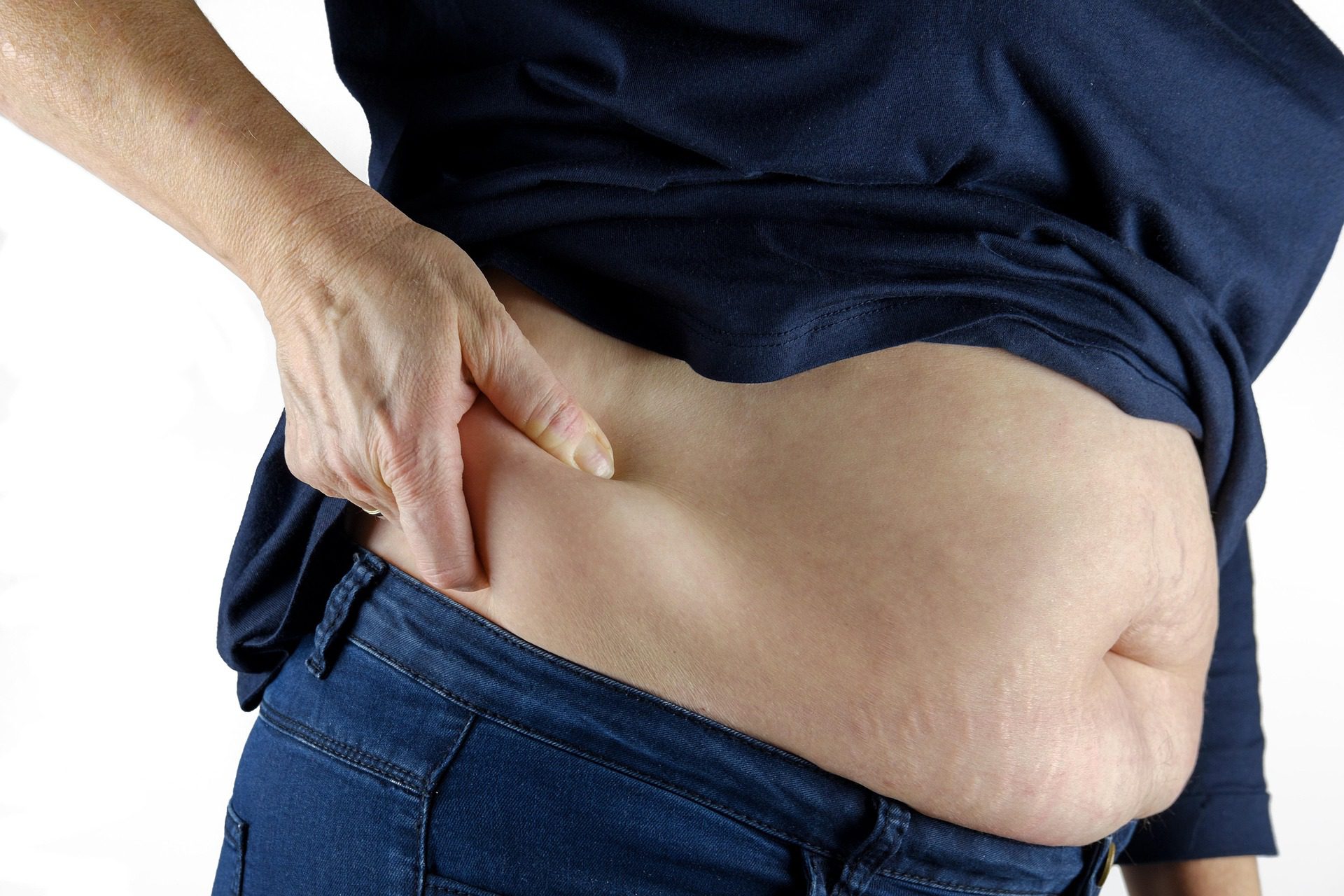
A main function of your liver is that it stores nutrients and glycogen (glucose reserves) for future needs. However, a huge problem with our livers is that they have become oversaturated with other substances occupying valuable real estate making it stagnant and sluggish so that it can no longer efficiently process fat. As a result, fat begins to get stored in your liver (setting you up for pre-fatty-liver and then fatty liver disease), other organs, blood vessels, your waistline, etc. This is often why people start to gain weight as they age.
A congested liver state thickens your blood making your heart have to work harder and thus elevating your blood pressure. Blood LDL cholesterol levels also begins to rise as your liver can no longer appropriately manage them nor can it manufacture good HDL levels. This puts you at risk for a heart attack or stroke if these fat and cholesterol particles start to adhere to your blood vessels.
The big question though is what is causing your liver to be so strained so that it can no longer effectively break down fat and is storing it in your body instead?
How Does Your Liver Become Overburdened?
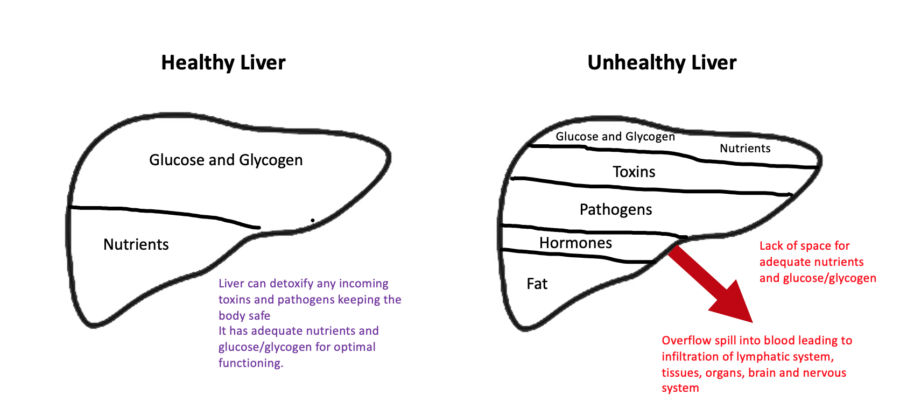
To explain this phenomenon, an important concept to understand is that your liver is working tirelessly to keep you as safe as possible. This means that when harmful substances are in your body, such as toxins, pathogens and excessive adrenaline (stress hormone) and your liver doesn’t have the capacity to process them (such as when there is too much and/or your liver is overworked) it will sequester and store them in your liver. This protects your brain, heart and the rest of your organs from them but at the expense of your liver.
As demonstrated below, a healthy liver is comprised primarily of glycogen (stored glucose) and nutrients allowing it to optimize its functions including detoxification and fat, protein and carbohydrate metabolism. However, if it becomes overburdened with stored fat, hormones (such as unprocessed excess adrenaline and even pharmaceutical based hormones such as thyroid, birth control or hormone replacement therapy), toxins (of MANY types) and/or pathogens it loses its ability to effectively metabolize fat, protein and carbohydrates. This leads to weight gain, elevated cholesterol, thickened dirty blood, high blood pressure and many other possible symptoms associated with menopause.
Let’s take a closer look at the types of substances that can accumulate in your liver making it sluggish, stagnant and ineffective setting you up for menopause symptoms. For even more details about this phenomenon you may reference the book, Liver Rescue.

The Problem With Fat
Today’s health narrative is pushing a diet high in fat and protein and to limit sugar/carbohydrates. Nothing could be further from the truth with regards to your health.
In order to protect your liver and thus allow your body to release fat, you need to limit fat (which also usually means certain sources of protein which concurrently are high in fat like meat, dairy, nuts or eggs) and increase your consumption of healthy carbohydrates such as fruits and starchy vegetables like potatoes, sweet potatoes and squash. Non-gluten containing grains such as oats, brown rice, or millet and legumes can be permitted provided they are not bathed in fat such as oil.
It is important to understand that fat and carbohydrates compete with one another for entry into your cells to serve as an energy substrate. Fat always gets in first and blocks carbohydrates (glucose) from entering. This results in excess glucose levels in your blood necessitating your pancreas to produce more insulin to then store the glucose as either glycogen or fat. Meanwhile, the fat that is now in your cells, while it can serve as an energy substrate, is not ideal nor yields as much energy compared to glucose.
Your cells primarily run on glucose. Your brain only runs on glucose. Thus you need to primarily feed it glucose. Therefore, if glucose can’t get into your cells because fat is there, your cells can become starved of glucose. This also negatively impacts your energy, mood and cognitive function.
Most of us have no idea how much fat we are actually consuming and what an ideal amount is. We recommend no more than 15% of your daily caloric intake be fat. On a 2000 calorie diet, this equates to no more than 33 g/fat per day. To give you even more perspective on how this works out in the real world see below.
Food Fat Content
- Mozzarella cheese on a 12” pizza: 25 g
- 1 medium avocado: 22 g
- 1 TB coconut oil: 14 g
- 1 TB olive oil: 14 g
- 1 TB sesame oil: 14 g
- 1 TB vegan butter: 10 g (real butter 12 g)
- 1 oz/2 TB vegan or regular cream cheese: 10-11 g
- 1 serving/slice (vegan or regular) cheese: 5 g
- ¼ cup vegan ricotta cheese: 12 g
- ½ cup regular ricotta cheese: 14 g
- 1 cup regular yogurt: 8 g
- 1 cup vegan (coconut, cashew, almond) yogurt: 8-14 g
- 1 oz almonds: 14 g
- 1 oz walnuts: 18 g
- 1 oz cashews: 12 g
- Chicken breast: 5 g
- Chicken thigh: 10 g
- Turkey breast: 3 g
- Turkey thigh: 6 g
- 3 oz 85% lean beef: 13 g
- 1 cup chickpeas: 4 g
- ½ cup oats: 3 g
- 1 serving brown rice pasta: 2.5 g
- 1 cup brown rice: 2 g
- Banana: 0.4 g
It is suggested you carefully analyze how many grams of fat you are actually consuming/day. You may be regularly eating a big salad which is wonderful but if it’s loaded with an oil based salad dressing, nuts, seeds, egg, meat and/or avocado you could be tipping the scale too far.
When people consume baked goods such as cookies or cakes they often say, “Oh, I had so much sugar.” However, they are completely missing the fact that they also just consumed a ton of fat in combination with sugar.
Animal fats stick around longer in your bloodstream than plant based ones so generally speaking, we recommend trying to source your fat more from plants than animals. For example, pork fat can take around 16 hours vs avocado fat about 3 hours to dissipate. However, as exhibited above, even plant based fat can be significantly high. Thus, individuals on plant based diets can often be consuming too much fat which is negatively impacting their liver’s health and contributing to liver congestion.

The Long-term Impact of Toxins
Around the same time women began reporting widespread symptoms like hot flashes, fatigue, and brain fog in the 1950s, two significant toxin related developments were also unfolding. First, radiation exposure in the U.S. had increased due to nuclear fallout from the World War II bombings in Japan. Second, DDT—a powerful pesticide—was being used extensively. By the 1940s, DDT was sprayed on crops, in parks, in residential gardens, and even directly on people. By 1950, its use had peaked, overwhelming the central nervous systems and livers of countless women.
If you eat a diet low in fat and still have weight gain, elevated cholesterol, high blood pressure, menopause symptoms, or other health issues underlying toxins in your liver could be a root cause. There are SO MANY potential sources of toxins in our world. The major ones are:
- Heavy metals
- Pharmaceuticals
- Pesticides/Herbicides/Insecticides
- Radiation
- Plastics
- EMF
- Perfumes
- Scented candles
- Mold
- Cleaning products
- Personal care products
- Gasoline
- Burning trash
According to the Centers for Disease Control and Prevention (CDC) 2021 data, approximately 64.8% of adults (aged 18 years and older) in the United States took at least one prescription medication in the past 12 months. Many people are on multiple pharmaceuticals and have been on them for many years.
Medications have to be processed by your liver and if your liver can’t succeed at this, it will end up storing the medication itself taking up valuable liver real estate and contributing to its congestion. Therefore, if you take any medication long term, this can impact your liver and make you more susceptible to menopause issues.
Pharmaceutical products not only contain the active ingredients (which are a potential source of toxicity in themselves) but also known and unknown (because it's a byproduct of the manufacturing process) inactive toxic ingredients such as heavy metals (ex: lead, mercury, aluminum, cadmium, arsenic, etc).
Heavy metal contamination is rampant in our world. Potential sources besides pharmaceuticals include:
- Air fresheners, scented candles, perfumes, colognes and fabric softeners
- Tattoo ink
- Toothpaste
- Coffee or tea
- Tap water
- Pots and pans, metal cookware
- Aluminum cans and foil
- Batteries
- Old paint
- Pesticides, insecticides and herbicides (even on organic food)
- Cosmetics
- Hair salons
- Dental work (mercury fillings removal, new fillings, fluoride treatments, retainers, braces)
- Grilled food or other cookouts
- Smoke from burning substances of unknown origin
- Time spent outdoors during or after firework displays
Many people have no idea that the cologne they wear, the candles they burn and the products they use to clean their bodies and homes are toxic. Furthermore, it is critical to understand that toxins and pathogens can get passed on from generation to generation through conception and while in the womb. This landmark study (Body Burden: The Pollution in Newborns), found an average of 200 industrial chemicals and pollutants in umbilical cord blood from 10 babies born in August and September of 2004 in U.S. hospitals. Tests revealed a total of 287 chemicals in the group. The umbilical cord blood of these 10 children, collected by the Red Cross after the cord was cut, harbored pesticides, consumer product ingredients and wastes from burning coal, gasoline and garbage.
Therefore, a child entering the world is already burdened with toxins in addition to whatever else they will end up being exposed to throughout their lifetime. Unfortunately, with each generation this amount is growing. This is a big reason why we are seeing increasing chronic health issues in our children.
Spend a moment reflecting on this list, which isn’t even complete as there are even more industrial sources of toxicity out there of which we aren’t even aware of, and consider how much exposure you have had throughout your life and currently to these substances. Think about what toxins you might have received from your parents and their exposure history leading up to your conception and birth.
Pathogens Hide in Your Liver
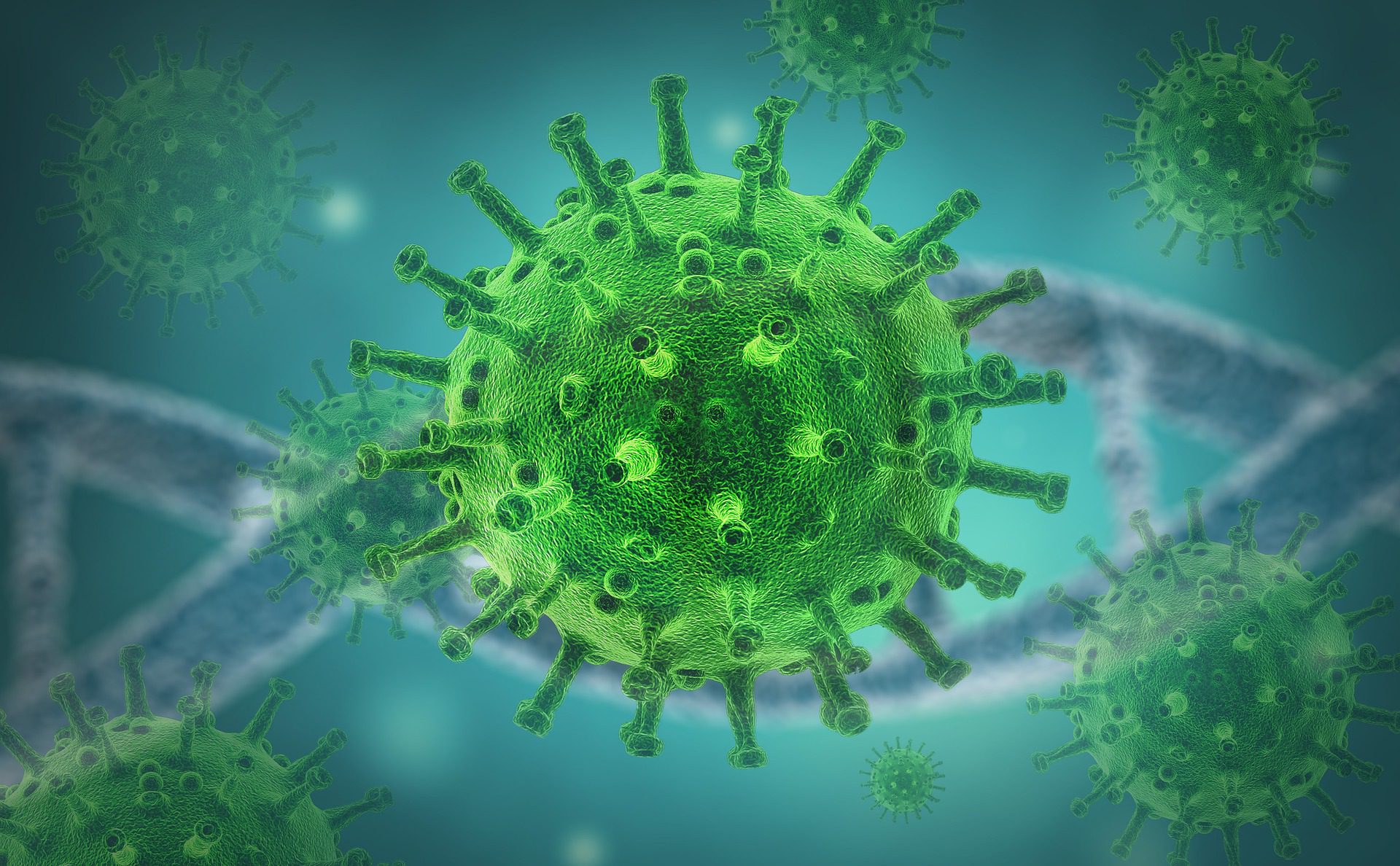
In addition to fats and toxins, the presence of chronic pathogens in your liver can be taking up valuable space and energy making it challenging for your liver to metabolize fat, keep your blood clean and fend off menopausal symptoms.
Pathogens thrive off toxins and consume them producing neurotoxins and dermatoxins that can irritate your nervous system and skin.
Just like toxins, pathogens can also get passed along from generation to generation. This can happen during conception (from paternal semen and/or maternal egg), in-utero, labor, delivery, breastfeeding (maternal exposure) and regular close family contact for easy transmission between family members.
The most common pathogens present and causing a chronic level of stress and inflammation in our bodies include the herpes family viruses such as Epstein-Barr virus (EBV) and Herpes Simplex 1 through 8. Chronic strep is also a major issue which over the years of being exposed to antibiotics, has mutated into stealth type strep strains of which many are resistant to pharmaceutical antibiotics. If you would like to learn more about how chronic pathogens could be impacting your health, refer to this article.
Epstein-Barr virus (EBV) is a major but often overlooked contributor to symptoms commonly associated with menopause. Many of the first women to report menopause symptoms had been born in the early 1900s, around the time EBV began to spread more widely. Typically contracted in childhood, EBV can lie dormant in the body for decades, gradually weakening the thyroid, liver, and nervous system before symptoms emerge—often around midlife. For example, a woman born in 1905 who contracted EBV early in life might begin experiencing symptoms around 1950, coinciding with the onset of menopause. This timing led to the widespread yet mistaken belief that menopause itself was to blame. Today, faster-mutating strains of EBV are surfacing much earlier, causing similar symptoms in women as young as their twenties. As a result, many are being misdiagnosed with perimenopause or thyroid disorders, leading to ineffective treatments, emotional distress and a false sense of premature aging.
The Epstein-Barr virus not only camps out in your liver but also tends to live in your thyroid. If you have been diagnosed with a thyroid condition such as Hashimoto’s, hypothyroidism or hyperthyroidism chances are it’s being driven by Epstein-Barr. This in turn will negatively impact your metabolism. Furthermore, long term use of thyroid medication can accumulate in your liver and contribute to its toxic load. Thus, if your thyroid is a factor in your menopause symptoms, the real solution is to work on reducing its Epstein-Barr viral load coupled with detoxifying your liver.
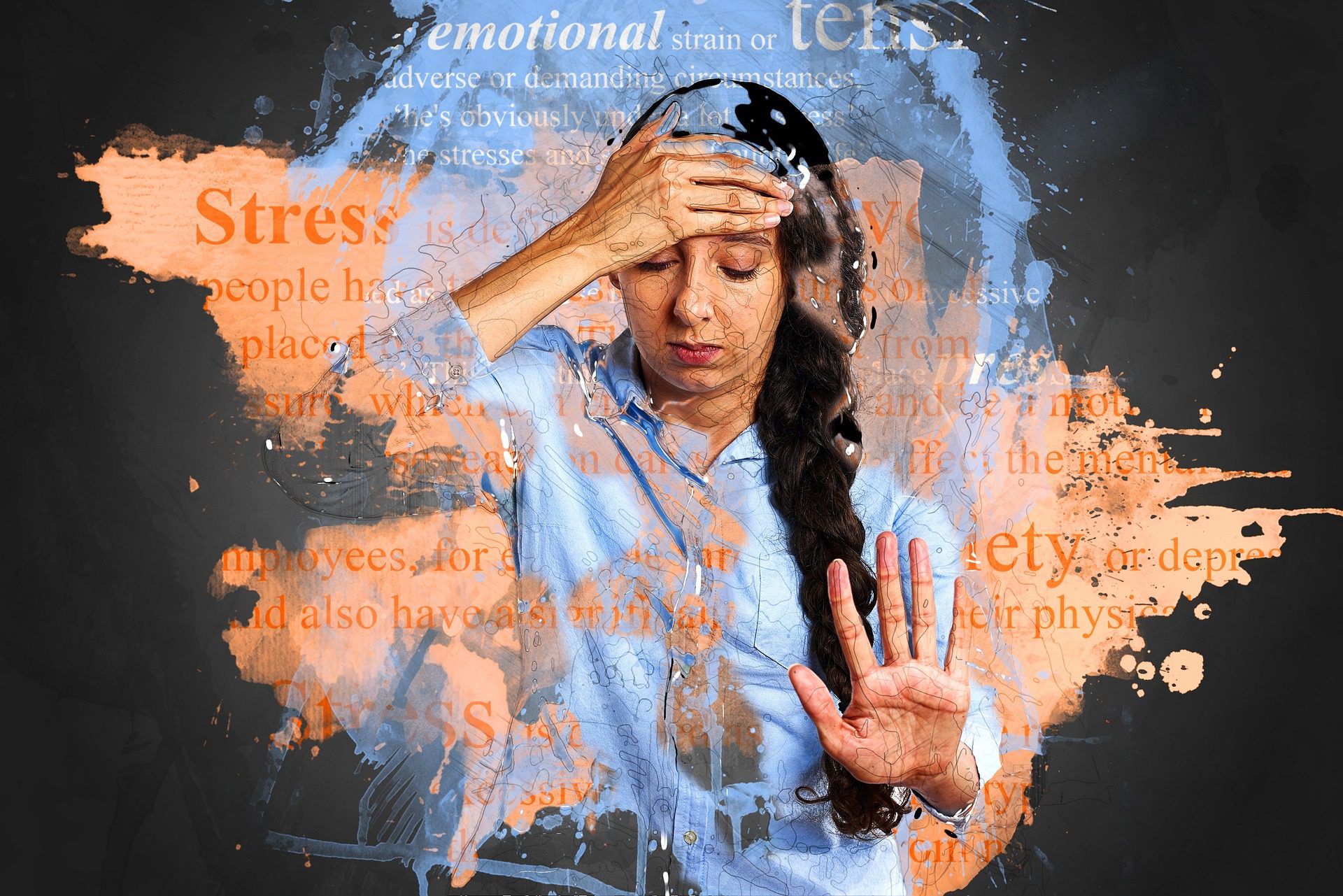
Adrenaline Accumulates in Your Liver and Drains Your Adrenals
We have become an adrenaline addicted society and don’t even know it because it's become the norm.
Adrenaline is the stress hormone released by your adrenal glands. There are numerous different blends of it which many are essential for normal everyday function and energy. However, because our bodies have become so burdened with excess fat, toxins and pathogens our baseline energy is compromised. We thus turn to caffeine to get enough energy to get us through our day.
Our adrenals have a certain battery of life which gradually drains over the course of our lives. The more they have to produce adrenaline, the quicker your life force reserve depletes. This is a key point in understanding why you may experience increased fatigue as you go through menopause. If your adrenal glands have been overworking throughout your life and don't have ample battery left when you go through menopause, you will have difficulty.
As a woman goes through menopause, her hormone production shifts from her ovaries to her adrenal glands. Therefore, the responsibility of her adrenal glands becomes even bigger. However, if she has been abusing her adrenal glands throughout her life via high stress, caffeine consumption, poor eating habits, intense lifestyles, etc it’s going to be particularly challenging for her adrenals to appropriately take over for her ovaries. This is why she may not have as much energy and experience “hormone issues.” Therefore, it is essential to make sure her adrenal battery is not being excessively drained and to provide adequate support and nourishment to her adrenal glands throughout her life.
What triggers excessive adrenaline release?
- Stress of any kind-physical, emotional, mental and even spiritual. This can include acute traumatic stressful experiences and long-term chronic stressors.
- Not eating regularly and maintaining steady glucose levels is a stressor on your body and your adrenals will release adrenaline in attempt to maintain your blood sugar levels. This is why fasting is not a healthy strategy for you. A reason why people feel better when fasting is because of this adrenaline hit it generates. Even through fasting gives your liver a break from fat, it's at the expense of adrenaline exposure.
- Caffeine
- Coffee
- Chocolate
- Tea
- High fat diet: Fat thickens your blood which reduces oxygen. In an attempt to thin out your blood, your body releases adrenaline. This is why many individuals say they feel better when they eat fat. It’s because you are giving yourself a shot of adrenaline.
- Excessive exercise or any type of high intensity activity that stimulates adrenaline release. This even includes prolonged extreme temperature exposures such as cold plunges and saunas.
Take a moment to really reflect on the past and present factors in your life that were and are draining your adrenal battery. How in the future might you make different choices to support and restore your precious life-giving adrenals?
Adrenaline is rough on your tissues and organs, particularly your nervous system. Your liver does everything it can to process it but when your body is overproducing it on a regular basis through constant stress, caffeine consumption, a high fat diet, not eating regularly, excessive exercise or high intensity activities not only are you prematurely draining your adrenal lifeforce but scorching your body tissues and majorly stressing out your liver. When your liver cannot process all this extra adrenaline it will store it in your fat cells and liver, thus taking up valuable liver space. This makes it harder for your liver to do all its functions and another primary reason you experience menopause symptoms.
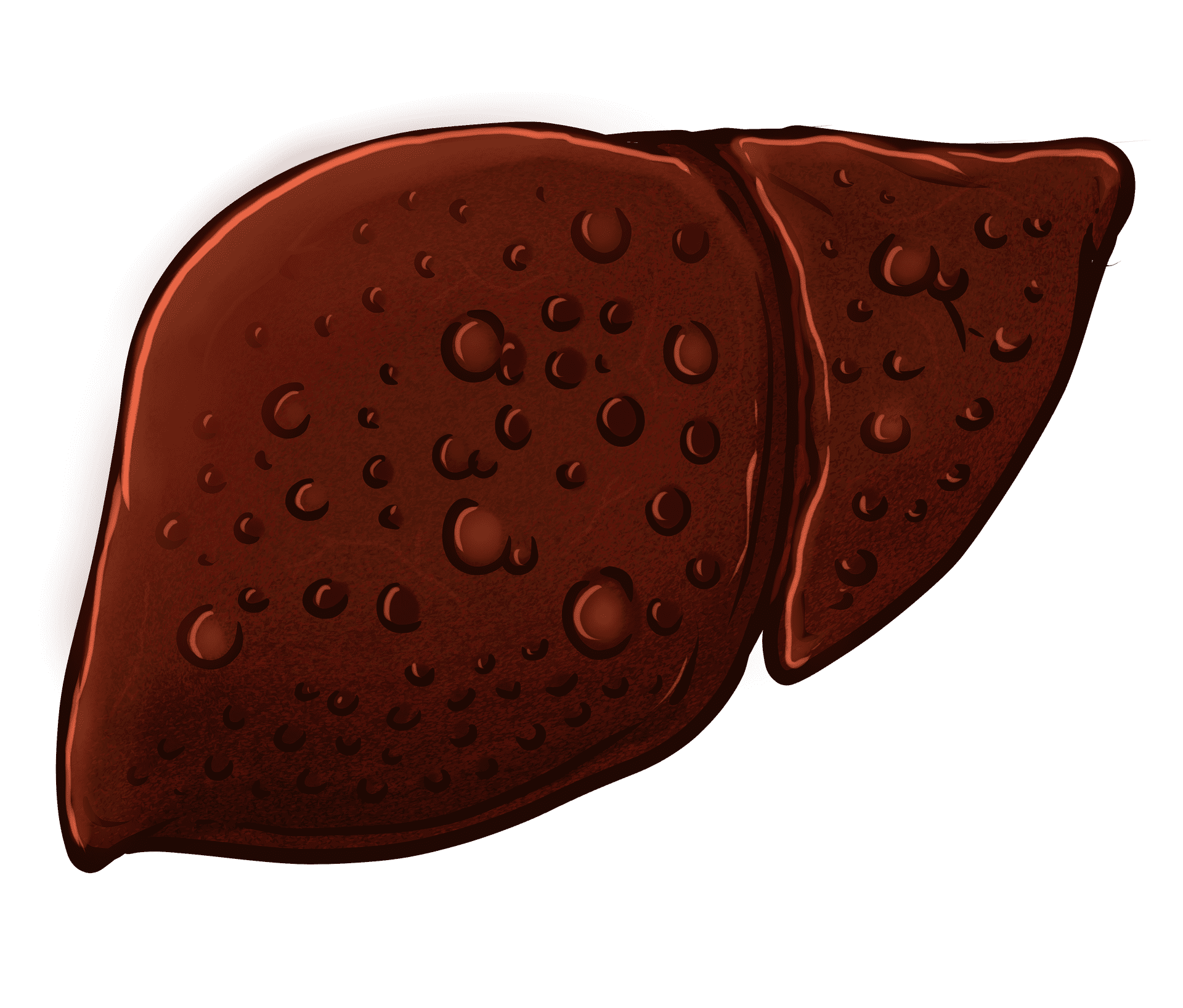
As you Age your Liver Becomes more Burdened
As you age, all of the above mentioned factors (liver fat, toxins, pathogens and stored adrenaline) increase and build up. The question becomes at what age will your liver reach a saturation point and you start to experience symptoms such as weight gain, hypertension, high cholesterol, brain fog, fatigue, mood swings, hot flashes, night sweats, etc? The answer depends on your unique exposure and history with these different factors of which many we are uncertain of. It’s not really possible to get accurate measurements of the levels of toxins, pathogens, fat and adrenaline being stored in your liver. When your blood work shows signs of liver stress such as elevated liver enzymes, it usually indicates long term liver issues.
For many women, the timing of their liver saturation coincides with when they go through menopause. Hot flashes are really the liver releasing heat because it's so overworked. As our livers have become more and more burdened, we are seeing women as young as early 20s experience hot flashes and night sweats. Therefore, what we typically think of as menopause symptoms can really happen at any age depending on one's liver health. The good news is that as one cleans up their liver and supports their adrenal glands, these symptoms go away.

Curious about how burdened your liver is?
The following questionnaire will provide some invaluable insight.
How to Manage Menopause
The bottom line with regards to addressing menopause issues is to give a lot of love to your liver and adrenal glands. This means reducing your:
- Reduce your fat intake to no more than 15% of your calories per day (<33 g on a 2000 calorie diet)
- If you do consume fat, try to choose more plant based options or lean animal sources. Pork and lamb tend to be the fattiest and tend to stick around longer in your bloodstream.
- There are MANY different levels of nutritional strategies to address this. We recommend these foundational yet extremely powerful Medical Medium morning routine practices:
- 16-32 oz water with real lemon or lime juice (~½ lemon or full lime) immediately upon waking
- Wait 15-30 min
- Consume straight celery juice (average amount is 16 oz but some may need to start at 1 oz (if you are very sensitive) and others will need to work up to 32 oz/day)
- Wait 15-30 min
- Consume the Heavy Metal Detox Smoothie for breakfast to safely and effectively remove toxic heavy metals from your body.
- 2 bananas
- 2 cups fresh or frozen wild blueberries or 2 tablespoons powdered wild blueberries (or here).
- 1 cup fresh cilantro or 2 droppers-full alcohol free cilantro tincture
- 1 teaspoon barley grass juice powder
- 1 teaspoon spirulina powder
- 1 tablespoon Atlantic dulse flakes or 2 droppers-full dulse tincture
- Juice of 1 orange
- Water, coconut water or extra orange juice to desired consistency
Add all ingredients into a blender and blend until desired consistency.
This smoothie has the potential to create a loosening effect on your bowels. If this becomes too overwhelming for you, consider reducing the volume to the point you can tolerate and then gradually increasing to the recommended amount.
- The ultimate way to remove deep seated toxins within the liver is the Medical Medium 3-6-9 cleanse of which there are 3 different levels (simplified, original and advanced). Refer to Cleanse to Heal for the full details.
- Evaluate your current habits
- Do you use conventional pesticides/insecticides on your lawn?
- Use the apps Think Dirty or Yuka to assess your current household and personal care products. Here are some suggested household and personal care products.
- Get rid of colognes, perfumes, scented candles, air fresheners, etc
- Are you eating a lot of processed foods with artificial flavors or preservatives? In the ingredients list look out for words like:
- Natural Flavors
- Citric Acid
- MSG (often disguised within “natural flavors”)
- Aspartame
- Nutritional Yeast (often has MSG)
- Remember, pathogens and toxins take up valuable real estate and energy in your liver which could otherwise be used for glycogen storage and fat metabolism. This is why it is critical to reduce these concentrations in your liver. The above mentioned strategies for reducing your toxin load will also reduce your pathogen load. In addition, it is recommended to:
- Eliminate or reduce as best you can your consumption of eggs, dairy and gluten as they are the top 3 foods for promoting pathogens. Other foods to be mindful of are corn, soy and industrial oils such as canola.
- Reduce table salt (including sea and or himalayan) as salt can dehydrate you and reduce the integrity of your cell membranes making you more susceptible to infections and inhibiting detox.
- Integrate specific types of herbs like lemon balm, cat’s claw, propolis and so much more!
- Reduce your adrenaline through the elimination/minimization of
- Stress
- Caffeine (coffee, tea and chocolate)
- Excessive high intensity exercise and activities
- Regular eating to maintain steady blood sugar levels
- Fat consumption
In summary, the reason why menopause time has become so problematic is because of the fat, toxins, pathogens and stored hormones you liver has accumulated over your life coupled with overtaxed adrenal glands that do not have enough battery to take over your hormone production. However, these issues do not just affect women of menopause age but women as early as their 20s.
The good news is that your liver and adrenals have the capacity to heal and you can reverse these issues with the right health habits.
- A. William, Medical medium: Liver Rescue : Answers to Eczema, Psoriasis, Diabetes, Strep, Acne, Gout, BLoating, Gallstones, Adrenal Stress, Fatigue, Fatty Liver, Weight Issues, SIBO & Autoimmune Disease (1st editition.). Hay House Inc., 2018.
- A. William, Medical medium: Secrets Behind Chronic and Mystery Illness and How to Finally Heal (Revised and expanded edition.). Hay House, Inc., 2020.
- A. William, Medical Medium Cleanse to Heal: Healing Plans for Sufferers of Anxiety, Depression, Acne, Eczema, Lyme, Gut Problems, Brain Fog, Weight Issues, Migraines, Bloating, Vertigo, Psoriasis . Hay House, 2020.
This nutritional content is being provided for informational purposes only and is not a substitute for medical advice. Some supplements may not interact well with medications. Please consult your medical doctor or professional if you have medical concerns. If you experience any discomfort or adverse effects discontinue.
©️ 2022 Resonate Health. This content may not be duplicated, copied or shared unless authorized.